
You’re about to spend $1,200 on a repair you could have avoided. Most homeowners in Fort Wayne think a quick fix is cheaper, until the bill lands on the kitchen table.
From “DIY” hacks that fry the compressor to ignoring the little warning signs that scream “call a pro,” the mistakes pile up fast. One wrong move and a simple tune‑up turns into a full‑blown replacement.
Stick around and you’ll discover the three most common blunders that bleed money out of your pocket, plus the exact steps to keep your system humming without breaking the bank.
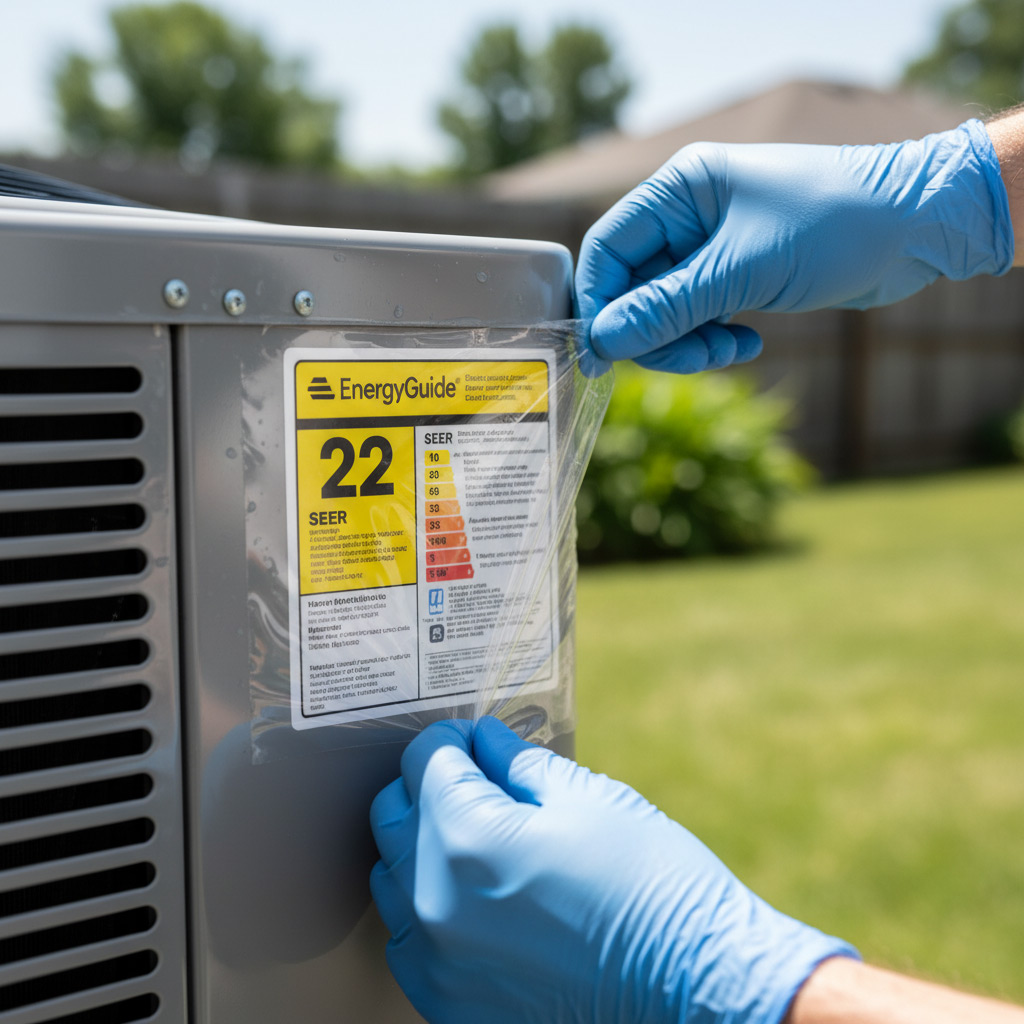
Spotting Early Warning Signs Before They Turn Costly
Listen to the Noise
When your furnace or AC starts humming, rattling, or grinding, it’s not just background noise—it’s a symptom. Those sounds often mean a motor is straining or a belt is slipping, and ignoring them can melt a compressor in weeks. Catch the clatter early, and you’ll save a bundle.
Watch the Temperature
Uneven heating or cooling is a red flag. If one room stays icy while the rest of the house feels fine, the airflow is blocked somewhere. Dirty filters, closed vents, or a failing blower are usually to blame, and a quick fix now prevents a costly system shutdown later.
Check the Basics
Simple visual checks can reveal big problems before they explode. Look for these tell‑tale signs:
- Leaking water around the indoor unit – could be a clogged condensate line.
- Foul odors when the system kicks on – often a sign of mold or a burnt motor.
- Frequent short‑cycling – the thermostat is working overtime, a sign of low refrigerant.
Spotting any of these early gives you leverage. You can call a pro with specifics, and they’ll fix the issue before it balloons into a $1,200 repair.
Why DIY Fixes Often Lead to Bigger Repairs
The hidden cost of guesswork
Most homeowners grab a wrench because the price tag looks smaller. What they don’t see is the ripple effect of a mis‑aligned fan belt or a loose refrigerant line.
A single misstep can turn a simple coil cleaning into a compressor that’s toast. The result? A repair bill that dwarfs the original “quick fix.”
- Using the wrong voltage can fry the control board.
- Over‑tightening bolts cracks the copper tubing.
- Skipping safety checks invites electrical fires.
Warranty voids and safety hazards
Manufacturers write the fine print for a reason. One unauthorized tweak can nullify a multi‑year warranty, leaving you on the hook for every future problem.
Beyond money, there’s a real danger: refrigerant leaks, carbon monoxide exposure, and even personal injury. A DIY job that feels “just a fix” can become a liability overnight.
Long‑term impact on system lifespan
When you bypass a professional diagnosis, you often miss the root cause. A clogged filter might be the symptom of a failing blower motor.
Ignoring that underlying issue forces the system to work harder, shortening its life by years. In the end, the “save‑a‑dollar” move costs you hundreds in premature replacement.

The True Expense of Skipping Routine Maintenance
When you skip that seasonal check‑up, you’re not just saving a few minutes—you’re signing a blank check for future repairs. A dusty filter or a loose belt can turn a modest $150 service into a $2,000 system replacement. That’s money you could have kept for a summer vacation.
What the numbers really look like
Here’s the cold, hard math most Fort Wayne homeowners ignore:
- Annual maintenance: $120‑$180
- Typical repair after neglect: $800‑$1,200
- Full unit replacement (if ignored for years): $4,000‑$7,000
One missed tune‑up often leads to three or four emergency calls. Each call adds labor, parts, and the dreaded “after‑hours” surcharge.
Beyond dollars, think about comfort. A neglected system works harder, spikes your electric bill, and leaves you sweating in July. Regular maintenance keeps the system efficient, the bill low, and your peace of mind intact.
Selecting a Trusted HVAC Professional in Fort Wayne
When you’re hunting for an HVAC tech, start with the basics: a valid license, insurance, and a solid track record in the Hoosier State. A quick Google search will reveal who’s been around the block and who’s just a flash in the pan. Don’t settle for the first name that pops up.
What to Look For
- Years of service in Fort Wayne – longevity usually means they’ve earned the community’s trust.
- Clear, written estimates – vague numbers are a red flag.
- Membership in industry groups like ACCA or NATE – it shows they stay current on tech and safety.
Ask for references and actually call them. Real homeowners will tell you if the tech showed up on time, cleaned up after the job, and didn’t try to upsell you on a brand‑new system when a simple repair would do.
Red Flags to Avoid
- Pressure to sign a contract on the spot – a reputable pro gives you time to think.
- Quotes that are dramatically lower than the competition – you’re probably getting cheap parts or hidden fees.
- Lack of a physical office or a permanent phone line – scammers love “mobile” numbers.
Take a minute to verify the contractor’s BBB rating and read recent reviews on Google or Yelp. A few negative comments are normal; a pattern of complaints about hidden costs or unfinished work is a deal‑breaker.
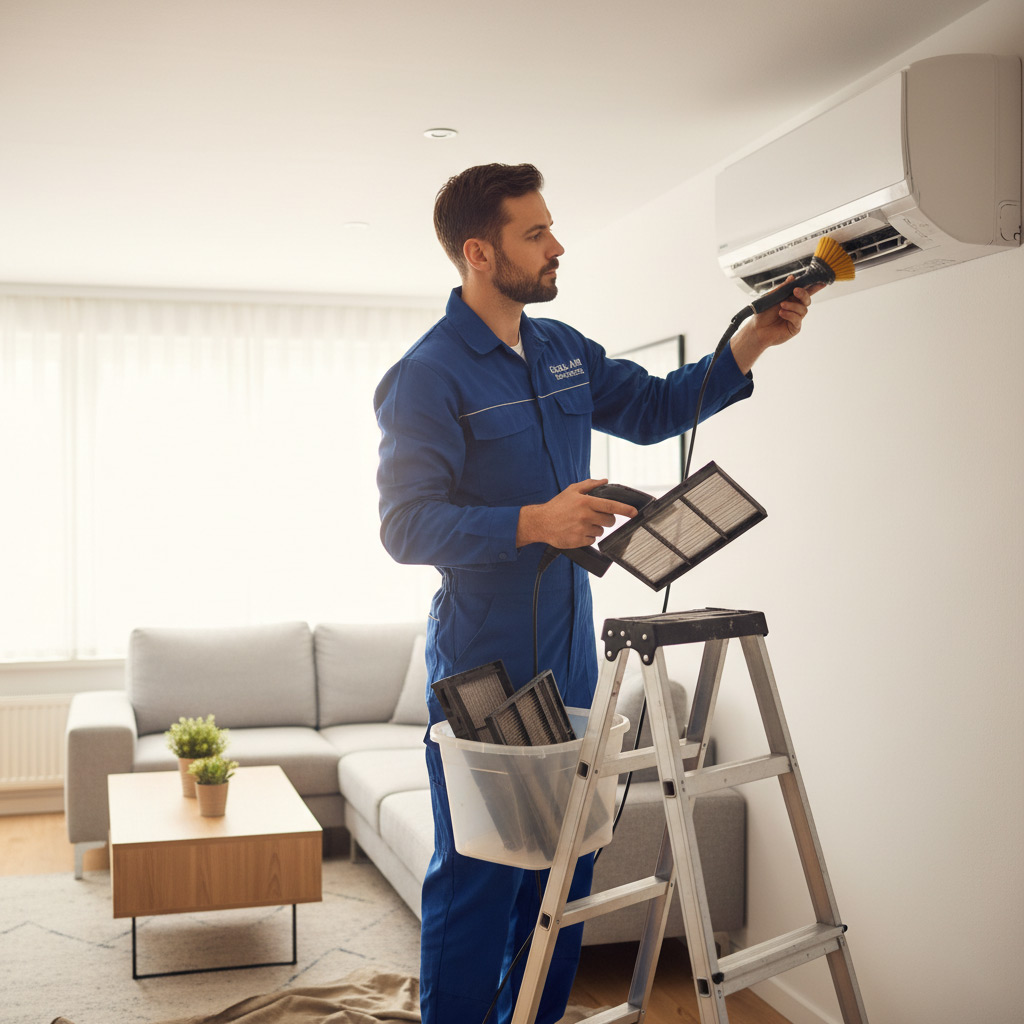
Getting Transparent Estimates and Avoiding Overcharges
Ask for a Detailed Breakdown
When a Fort Wayne HVAC tech shows up with a quote, demand a line‑item list. Labor, parts, taxes, and any service fees should each have their own row.
This forces the contractor to justify every charge. If a number looks vague, ask “What exactly does that cover?” and watch the response.
- Labor hours and rate per hour
- Part numbers and manufacturer’s price
- Travel or emergency surcharge (if applicable)
- Disposal fees for old equipment
Spot the Red Flags
Some companies pad the estimate with “miscellaneous” or “admin” fees that never get explained. Those are the warning lights.
Compare at least two quotes before you sign anything. If one estimate is dramatically lower, it could mean shortcuts or hidden costs later.
- Unexpected “diagnostic” fees after the work starts
- Charges for “upgrading” parts you never asked for
- Round‑up totals that don’t add up to the sum of the parts
Lock It Down in Writing
A verbal promise is easy to forget; a written contract is your safety net. Insist on a document that spells out the scope, price, and warranty.
Keep a copy for your records and review it before the crew begins. If anything changes on the job site, get a written amendment before the work proceeds.
- Signed estimate with date and expiration
- Clear warranty terms for parts and labor
- Signature line for both homeowner and contractor
Case Study: Saving a Fort Wayne Homeowner $1,500 on an AC Repair
Background
Mike, a longtime Fort Wayne resident, called us after his 10‑year‑old AC sputtered and the thermostat read 78°F on a 92°F day. He’d already spent $400 on a “quick fix” from a neighbor who claimed to have “fixed the coil.”
When the unit finally shut down, the repair quote from a generic service was a staggering $2,900. Mike was ready to replace the whole system.
What We Did
Our tech performed a focused diagnostic, spotting three cheap‑to‑fix issues that the neighbor missed.
- Dirty evaporator coil – a simple coil cleaning restored airflow.
- Low refrigerant charge – a pinpoint leak repair saved a full recharge.
- Faulty thermostat wiring – a quick splice eliminated false shutdowns.
Instead of a full replacement, we quoted $1,400 for parts and labor. Mike approved on the spot.
Bottom Line
Mike walked away with a fully functional AC and $1,500 left in his pocket. The lesson? A qualified pro can spot hidden savings that DIY hacks and cheap quotes overlook.
Final Words
When you catch a problem early, you keep the price tag low and the comfort high. Don’t wait for the thermostat to scream “heat!” A quick call to a local pro can stop a $200 fix from turning into a $2,000 replacement.
Quick‑Check Checklist
- Listen for odd noises – rattles, squeals, or humming.
- Feel for uneven airflow or hot spots.
- Inspect filters every month; a dirty filter is a silent money‑drainer.
- Schedule a professional tune‑up before the season flips.
Need a reliable hand? Our team in Fort Wayne offers transparent quotes and honest service. Check out our other specialties like drain cleaning or leak detection to keep every part of your home running smooth.
People Also Ask
What are the early warning signs of HVAC problems in Fort Wayne?
Common signs include reduced airflow, unusual noises, frequent cycling, and higher energy bills. Ignoring these cues can lead to major component failures and costly repairs.Why can DIY HVAC fixes end up costing more?
DIY attempts often miss underlying issues, use incorrect parts, or cause accidental damage. This can turn a simple fix into a larger, more expensive repair that requires professional intervention.How much does skipping routine HVAC maintenance typically cost?
Skipping maintenance can reduce system efficiency by up to 30%, increasing utility bills and accelerating wear. Over time, this can result in premature part replacements or a full system replacement, costing thousands.What should I look for when choosing an HVAC professional in Fort Wayne?
Seek technicians with proper licensing, local experience, positive customer reviews, and clear communication. A reputable company will also offer warranties and transparent service agreements.How can I ensure I receive a transparent HVAC repair estimate?
Ask for a detailed, itemized quote that outlines labor, parts, and any additional fees. Verify that the estimate matches industry standards and request clarification on any ambiguous charges.
Fort Wayne HVAC brings over 20 years of heating and cooling expertise to the Fort Wayne community. Their certified technicians specialize in residential and commercial systems, delivering reliable service tailored to local climate demands. Committed to energy efficiency and responsive support, they keep homes comfortable year-round.
Need HVAC?
We accelerate your results with fast, reliable service across Fort Wayne and nearby ZIPs (46802, 46804, 46805, 46774, 46706). Our team delivers on‑time solutions so you can move forward without delay.
Request a fast quote