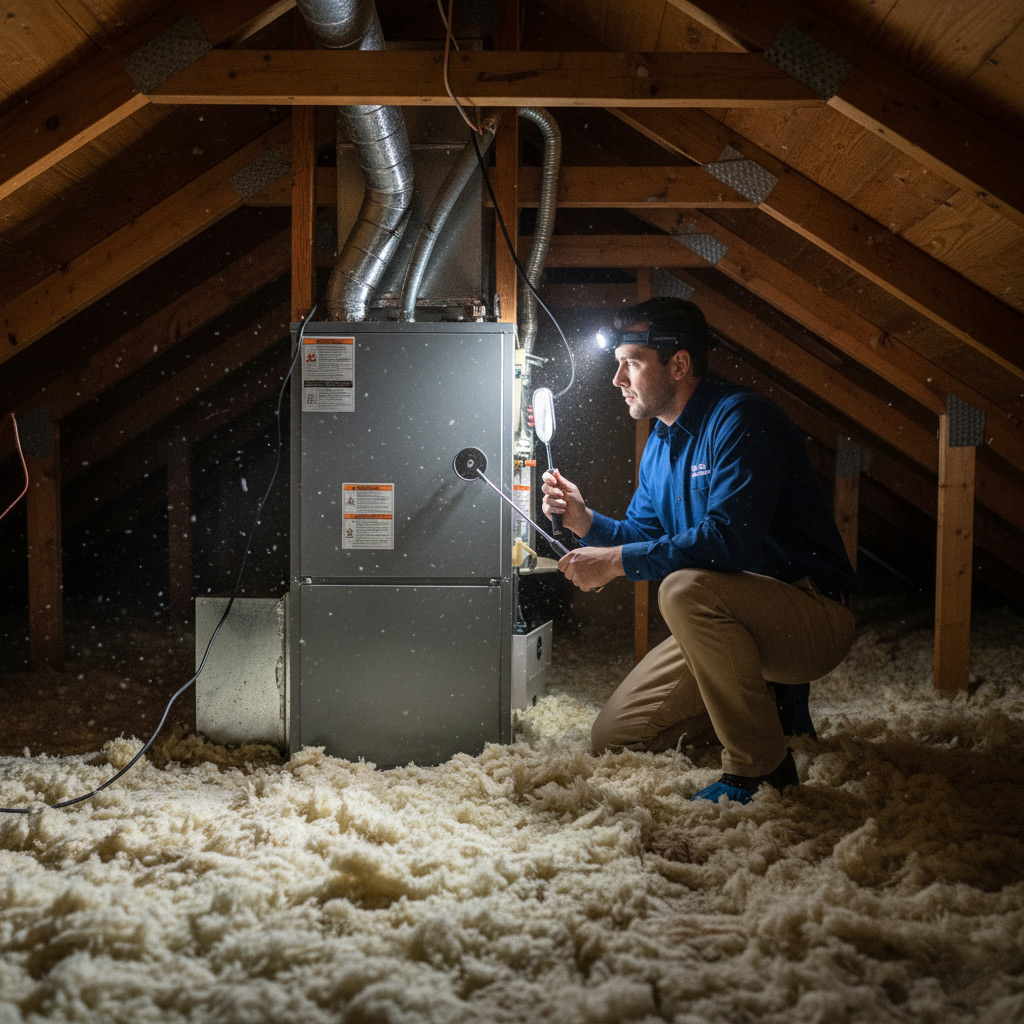
Imagine snagging a brand‑new furnace for less than the cost of a weekend getaway—no gimmicks, just cold‑hard savings you can actually see on your utility bill.
Most Fort Wayne homeowners think they have to choose between a top‑tier system and a sky‑high price tag, but the truth is the market is riddled with shortcuts that keep money in the hands of middlemen instead of yours.
We’re about to pull back the curtain on the exact moves locals use to cut installation costs without sacrificing comfort, so keep reading and discover the playbook that turns a pricey project into a smart investment.
Breaking Down the Real Expenses of Heating Installation in Fort Wayne
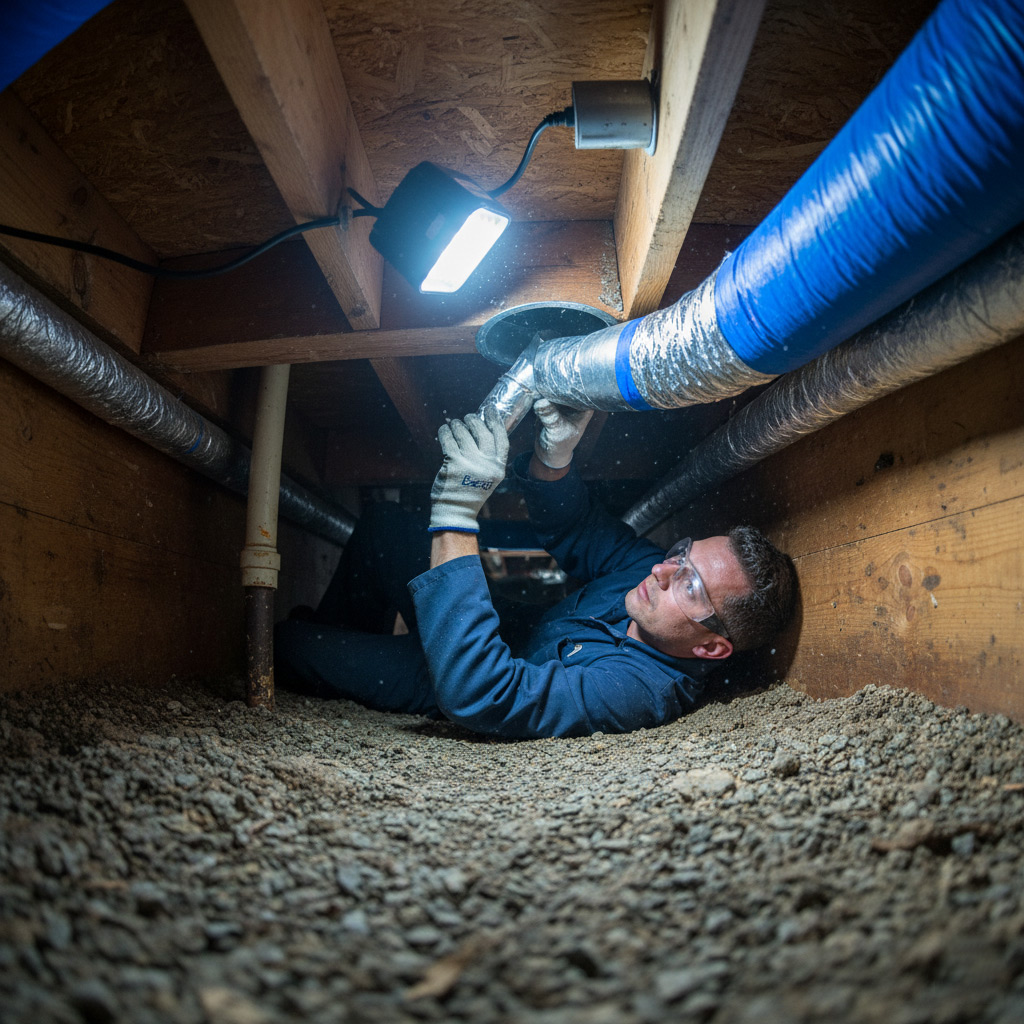
Before you start hunting for the lowest price, you need to know what you’re actually paying for. A typical furnace install in Fort Wayne breaks into three buckets: the equipment itself, the labor that gets it into place, and the “extras” that most homeowners overlook.
Equipment: The Heart of the System
- Base unit price – varies by brand, capacity, and efficiency rating.
- Warranty upgrades – extended coverage can add a few hundred dollars but may save you later.
- Optional accessories – smart thermostats, variable‑speed blowers, or air‑cleaning filters.
These numbers are usually listed on the invoice, but they’re not the whole story. A high‑efficiency model may cost more upfront, yet it can shave $150‑$300 off your annual gas bill.
Labor: The Hands‑On Part
- Removal of the old unit – $200‑$400, depending on size and disposal fees.
- Installation labor – $500‑$1,200, based on complexity and crew experience.
- System testing & balancing – a small fee that ensures the furnace runs at peak performance.
Many contractors bundle these items, making it hard to see where you could negotiate. Ask for a line‑item breakdown; you’ll often find room to trim the labor charge.
Hidden Extras That Sneak In
- Permit fees – $50‑$150, required by the city but sometimes rolled into the total.
- Ductwork modifications – a common surprise if your existing ducts are undersized or leaky.
- Travel or “fuel surcharge” – a small add‑on that can be waived if you schedule during off‑peak weeks.
Spotting these hidden costs early lets you plan a realistic budget and avoid last‑minute price shocks.
Spotting Hidden Fees and Common Markups from Contractors
When the invoice arrives, the line items can look like a mystery novel. Don’t let vague “service fees” or “admin charges” catch you off guard. Knowing what to look for lets you call out the fluff before you sign.
Common Hidden Charges
- Permit padding – Some contractors add a flat “permit fee” that’s already covered by the city.
- Travel surcharge – A $150 “fuel charge” for a job that’s just a few blocks away.
- “Equipment rental” – You’ll see a line for a crane or lift even when a standard furnace fits through a door.
These extras often hide in the fine print. If a number seems out of place, ask for a copy of the actual permit cost or a receipt for the rental.
Typical Contractor Markups
- Unit markup – A 20‑30% increase on the furnace’s wholesale price is common.
- Labor inflation – Some firms quote “expert installation” at double the market rate.
- “Warranty extension” – A $500 add‑on that duplicates the manufacturer’s warranty.
Ask for the exact cost of the equipment and the hourly labor rate. Compare those numbers to local supplier quotes; the difference will reveal the markup.
How to Protect Your Wallet
- Request a detailed, itemized estimate before any work begins.
- Get at least three quotes and line‑by‑line compare them.
- Insist on seeing receipts for any “extra” charges.
When you see a fee you didn’t expect, call it out immediately. A transparent contractor will explain or remove it. If they can’t, walk away – the right partner will respect your scrutiny.
Timing Is Everything: Seasonal Promotions, Rebates, and Incentives
Fort Wayne’s heating market follows a predictable rhythm. Contractors drop prices when the snow melts and homeowners aren’t scrambling for heat. That’s the sweet spot for a deal that feels like a steal.
Winter vs. Spring Deals
During the deep‑freeze months, you’ll see “emergency install” premiums. In early spring, the same companies roll out clearance specials to clear out last‑year’s inventory. The difference is a few hundred dollars.
- January‑February: “Cold‑Weather Discount” – 5‑10% off labor.
- March‑April: “Spring Clearance” – up to $500 off equipment.
- May: “Pre‑Season Bundle” – free thermostat upgrade.
Rebates are another hidden goldmine. Local utilities and the state offer cash back for high‑efficiency units, but the paperwork can feel like a maze. Grab the form early, fill it out while the installer is on site, and watch the check arrive.
Lock‑In Savings Before the Rush
Schedule your install during the off‑peak window and ask for a written price lock. That way, you avoid surprise markup when the demand spikes in November. A little foresight can shave $300‑$600 off the final bill.
DIY Prep: Homeowner Tasks That Reduce Labor Costs
Clear the Work Zone
Before the tech arrives, move furniture, boxes, and any obstacles out of the furnace’s path. A clean floor lets the crew set the unit faster, which means fewer billable minutes. Even a quick sweep can shave $150 off the labor charge.
Prep the Ductwork & Electrical
Turn off the breaker and label each circuit that powers the old furnace. Disconnect the thermostat and snap a photo of the wiring layout – it’s a cheat sheet for the installer. Seal any obvious gaps in the ductwork with foil tape; the contractor will thank you with a shorter seal‑up time.
Gather Documentation & Permits
Pull your home’s existing HVAC paperwork and any previous inspection reports. Have the city’s permit application ready, or at least a printed checklist, so the installer can file it on the spot. When the paperwork is already in hand, the crew can skip the back‑and‑forth and you keep the hourly clock from ticking.
Selecting Energy‑Efficient Systems That Offer Long‑Term Savings
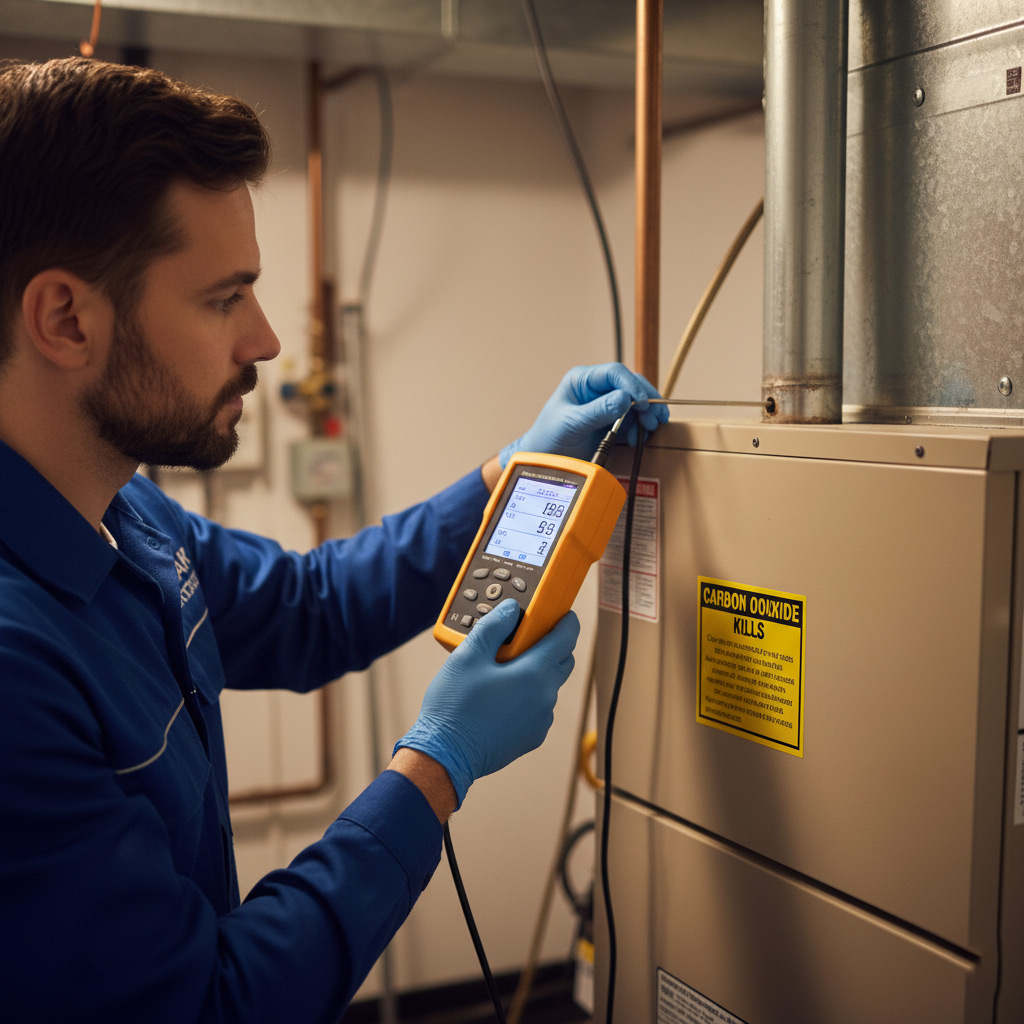
When you pick a furnace that drinks less fuel, you’re not just cutting the monthly bill—you’re also future‑proofing your home against rising energy costs. Look for an AFUE rating of 95% or higher; that number tells you how much heat actually reaches your rooms versus what’s lost in the exhaust.
What to Look For
- Modulating gas valves that adjust flame size in real time.
- Variable‑speed blowers that keep airflow steady without the “whoosh” of a single‑speed motor.
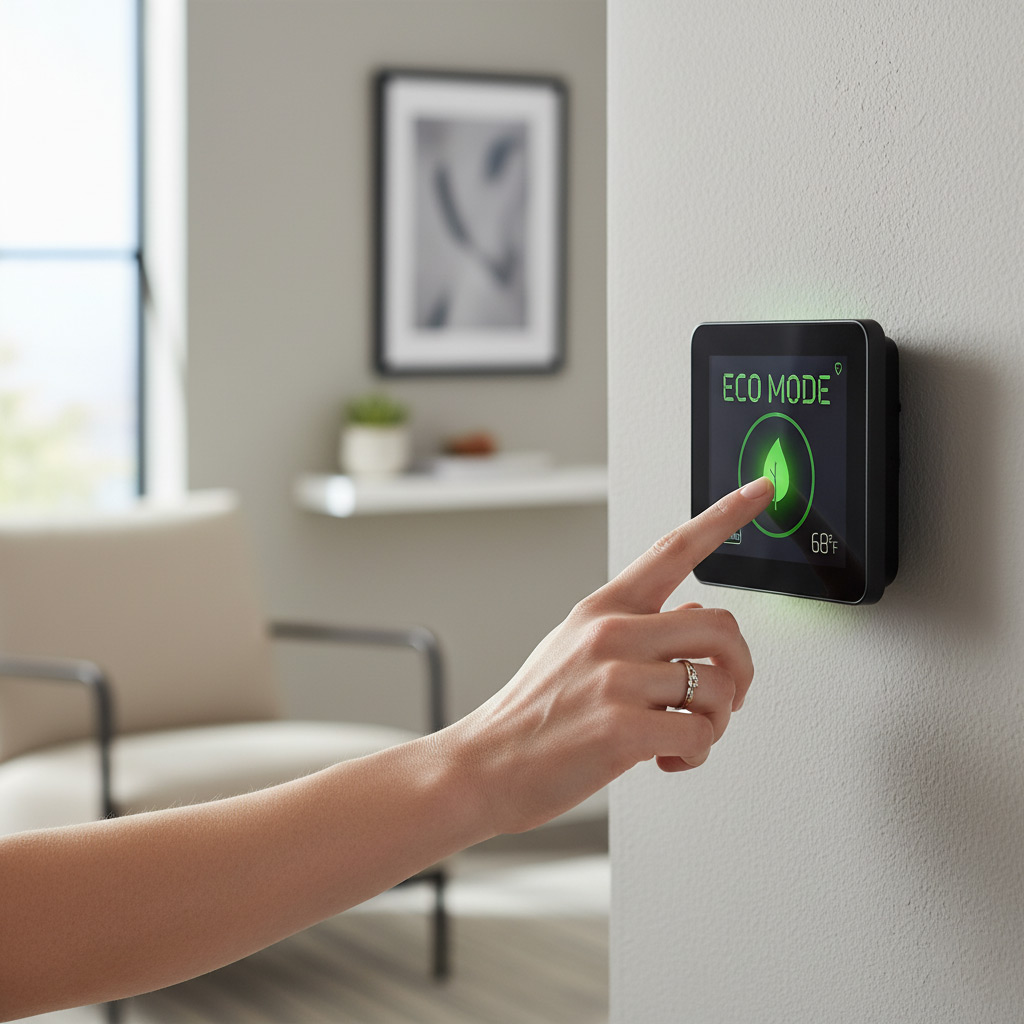
- Smart thermostats that learn your schedule and trim waste.
- SEER‑rated heat pumps that can double as cooling in the summer.
These features may add a few hundred dollars up front, but they pay you back in lower utility bills and fewer service calls. A well‑matched system can shave 15‑30% off your heating costs year after year.
Smart Savings Over Time
- Take advantage of federal tax credits for ENERGY STAR units—up to $500 back.
- Many local utilities in Fort Wayne offer rebates for high‑efficiency models; check their websites before you buy.
- Higher efficiency means the furnace runs less often, extending the life of components and delaying costly replacements.
Case Study: How a Fort Wayne Family Cut $2,300 Off Their Furnace Installation
The Situation
When the Martins realized their old furnace was on its last legs, they braced for a six‑figure bill. Their budget was tight, but they needed reliable heat before the first freeze.
Instead of signing the first quote, they did a quick audit of the market and found a local dealer offering a comparable unit for $1,200 less. The catch? The dealer required the homeowner to handle a few prep steps.
The Moves
They tackled the low‑cost tasks themselves and saved on labor. Here’s what they did:
- Removed the old furnace – a two‑hour job with a friend and a rented dolly.
- Cleared the installation area – moved boxes, trimmed debris, and ensured a clear path for the new unit.
- Provided the contractor with a clean, level pad – no need for extra framing work.
Each step shaved $300‑$500 off the final invoice. The contractor appreciated the prep and dropped the markup on labor.
The Result
After the family’s DIY prep, the installer quoted $4,700 for the furnace and hookup, down from the original $7,000 estimate. That’s a $2,300 saving—roughly the cost of a new roof.
Beyond the dollars, the Martins got a brand‑new, ENERGY STAR‑rated furnace that will slash their utility bill for years. They turned a dreaded expense into a smart, affordable upgrade.
Final Words
Before you hand over a check, lock in the price you’ve calculated and walk away with a written agreement. A signed contract that lists every part, labor hour, and rebate protects you from surprise markups later.
Quick checklist before you sign
- Confirm the model number and efficiency rating of the furnace.
- Ask for a line‑item breakdown – no lump sums.
- Verify any seasonal rebate codes are applied.
- Get the warranty terms in writing.
Remember, the smartest homeowners treat the installation like a negotiation, not a charity. If a contractor balks at a transparent quote, it’s a red flag that they’re hiding something.
Need more guidance? Check out our Heating System Installation page for deeper dives on equipment choices, financing options, and local incentives that keep your budget in the black.
People Also Ask
What are the biggest hidden costs when installing a new heating system in Fort Wayne?
The most common hidden costs include disposal fees for the old unit, permit charges, and unexpected ductwork modifications. Contractors may also add markups for rush orders or after‑hours service that aren’t disclosed upfront.How can I time my heating installation to get the best discounts?
Schedule the installation during the off‑season (late summer or early fall) when demand is low, and watch for manufacturer rebates and utility‑company incentives that are often released in the spring.Which homeowner tasks can lower labor expenses for a furnace install?
Clear the installation area, remove the old furnace, and ensure easy access to the venting and electrical connections. Providing a clean, debris‑free workspace can cut several hours of labor time.Do energy‑efficient furnaces really save money in the long run?
Yes, high‑efficiency models (AFUE 95% or higher) use less fuel, reducing monthly utility bills and qualifying for tax credits. The upfront premium is typically recouped within 3‑5 years of operation.What financing options are available for heating installations in Fort Wayne?
Many local HVAC contractors partner with banks and credit unions to offer low‑interest loans or 0% promotional financing. Some utility companies also provide payment‑plan programs tied to energy‑efficiency upgrades.
Fort Wayne HVAC brings over 20 years of heating and cooling expertise to the Fort Wayne community. Their team of certified technicians delivers reliable service and tailored solutions for residential and commercial clients. Committed to energy efficiency and local support, they keep homes comfortable year-round.
Need HVAC?
We accelerate your results with fast, reliable service across Fort Wayne and nearby ZIPs (46802, 46804, 46805, 46774, 46706). Our team delivers on‑time solutions so you can move forward without delay.
Request a fast quote