Picture this: the thermostat flashes “0 °F” and the furnace sputters its last breath just as the snow piles up outside Fort Wayne. That moment can turn a cozy night into a frantic scramble for blankets and a call to a contractor.
Replacing an HVAC system isn’t just about swapping out old parts; it’s about locking in comfort, cutting those surprise repair bills, and keeping your energy costs in check for years to come.
In the next few minutes you’ll get a clear, step‑by‑step roadmap that walks you through budgeting, choosing the right unit, timing the install, and what to expect once the new system is humming.
Ready to take the guesswork out of the process and feel confident about every decision? Keep reading and we’ll break it down for you.
Assessing Your Current System and Determining If Replacement Is Needed
Know the signs before the next freeze hits
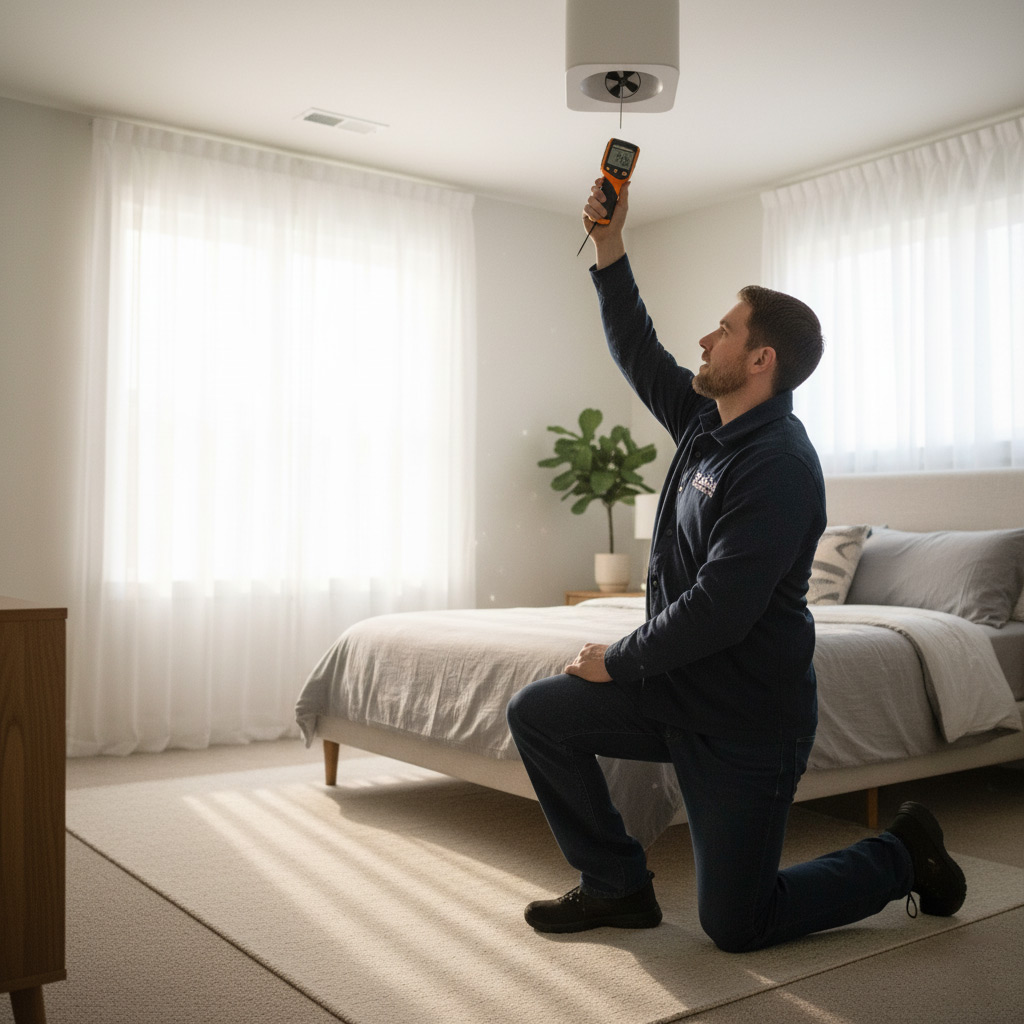
When your furnace groans louder than a freight train or the AC takes forever to cool a single room, it’s a red flag. Age matters—most units hit the 15‑year mark before efficiency drops dramatically. If you’re constantly reaching for the thermostat and still feel a draft, it’s time to take a closer look.
Run a quick health check
Grab a notebook and note these tell‑tale symptoms:
- Uneven temperatures across the house
- More than three repair calls in a year
- Sky‑high utility bills that don’t match your usage
- Visible rust, corrosion, or strange noises
If two or more items check off, the odds are your system is past its prime.
Let the numbers do the talking
Ask your contractor for a SEER (Seasonal Energy Efficiency Ratio) and AFUE (Annual Fuel Utilization Efficiency) rating. Modern units sit at 16+ SEER and 95%+ AFUE. Anything lower means you’re paying for heat and cool that could be delivered cheaper. Bottom line: when repair costs start to eclipse the price of a new, efficient unit, replacement wins.
Establishing a Realistic Budget and Exploring Financing Options
Know Your Costs
First, write down every line item you might face. Equipment price, labor, permits, removal of the old unit, and any needed ductwork upgrades are the usual suspects.
In Fort Wayne the average split‑system runs $4,500‑$7,500, but the final bill can jump 20 % if you need a bigger furnace for a historic home.
- Unit price – the hardware you’ll see on the showroom floor.
- Installation labor – the crew’s time and expertise.
- Permits & inspections – city fees that keep everything legal.
- Ancillary work – duct sealing, thermostat upgrade, or vent modifications.
Financing Paths
Most homeowners don’t pay cash, and that’s fine. Look for zero‑interest promos from manufacturers or local credit unions that specialize in home improvement.
Another option is a HVAC‑specific loan with a fixed rate and a 5‑ to 7‑year term. It spreads the cost so you’re not scrambling for cash when winter hits.
- 0% APR for 12‑18 months – great if you can pay off quickly.
- 5‑year fixed loan – predictable payments.
- Energy‑efficiency rebates – Indiana’s utility companies often rebate up to $500.
Do the math before you sign anything. Subtract any rebates, add the financing cost, and you’ll see the true monthly impact. That number should sit comfortably under 15 % of your household income.
Choosing the Ideal HVAC Unit for Fort Wayne’s Climate and Home Size
Match the Unit to the Weather
Fort Wayne winters can dip below zero, while summer highs push past 90 °F. You’ll want a furnace with a high AFUE rating (≥ 95 %) and a heat pump that holds its own in sub‑freezing temps. Pair that with an air conditioner boasting a SEER of 16 or higher to keep the summer bills from blowing up.
Size Matters – Don’t Guess, Calculate
Too big and you’ll waste energy; too small and you’ll be shivering in the dead of January. A proper load calculation (the industry’s Manual J) looks at square footage, ceiling height, window count, and insulation quality. Result: the exact BTU rating your home needs.
- Square footage: Rough rule – 20‑30 BTU per square foot, but adjust for attic space.
- Insulation: Poor insulation adds 10‑15 % to the load.
- Window orientation: South‑facing windows demand extra cooling capacity.
Features That Pay Off in Fort Wayne
Variable‑speed blowers keep indoor temps steady and cut fan electricity use. Two‑stage compressors start low, then ramp up only when needed, which means quieter operation on those cold nights. If you love tech, choose a system that talks to a smart thermostat – you’ll see real‑time savings on your utility bill.
Timing the Installation: Seasonal Factors, Permits, and Contractor Scheduling
Seasonal Sweet Spot
Fort Wayne’s weather swings give you a window where installers are eager and rates stay low. Aim for late spring (May‑June) or early fall (September‑October) when demand dips but temperatures still let the crew test the system properly.
Why it matters: you avoid the rush‑hour summer surge and the freezing‑cold winter delays.
- May‑June: warm enough for thorough leak checks.
- September‑October: perfect for a “first‑heat” test before winter hits.
Permits & Paperwork
Before any wrench turns, the city of Fort Wayne wants to see the right paperwork. A missing permit can stall the job for weeks and add unexpected fees.
Grab these items early:
- Building permit application (available online or at City Hall).
- Proof of contractor’s license and insurance.
- Energy‑efficiency certification if you’re chasing rebates.
Getting the Right Contractor on Your Calendar
Good installers book out months in advance, especially during the peak seasons. Start the conversation now, even if you’re not ready to sign.
Follow this quick checklist to lock in a slot:
- Ask for a written estimate with a clear start date.
- Confirm the crew’s availability for your preferred window.
- Check if the contractor can handle any required permits for you.
The Installation Day Walkthrough: What Happens From Start to Finish
Arrival & Inspection
When the crew pulls up, the first thing they do is a quick visual sweep of your home’s HVAC footprint. They check clearances, verify vent locations, and confirm that the power source matches the new unit’s specs. This step prevents surprises later and lets the tech lock in the exact placement of the new furnace or heat pump.
Dismantling the Old Unit
The old system is carefully disconnected, then hauled away for proper recycling. Technicians cap refrigerant lines, seal electrical connections, and seal any openings to keep your home airtight. While they work, they’ll also inspect ductwork for leaks or damage that could affect the new system’s performance.
Bringing in the New System
With the old gear out of the way, the crew rolls in the replacement unit and begins the hookup. They’ll:
- Mount the furnace or heat pump on a level, vibration‑dampened base.
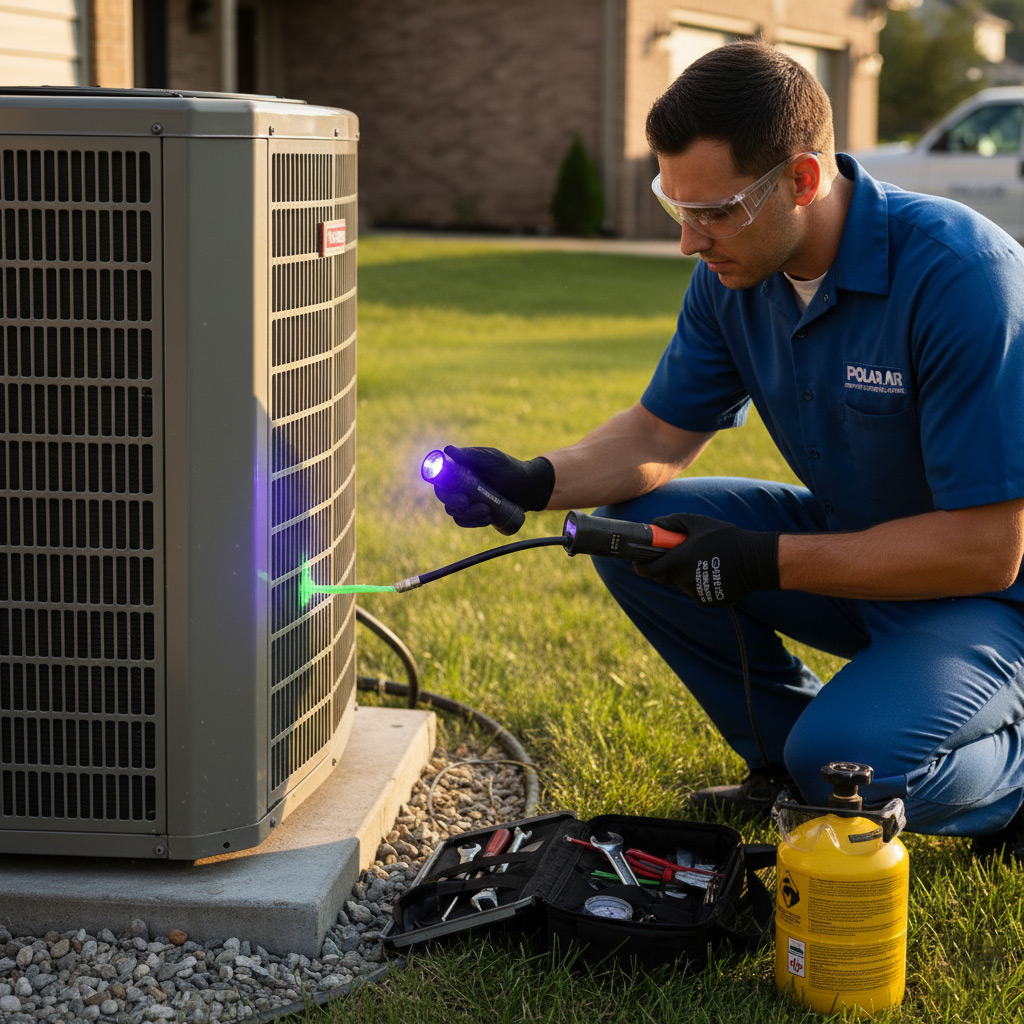
- Connect refrigerant lines, ensuring a tight seal to avoid future leaks.
- Wire the thermostat and safety controls, then run a full system test.
Once everything is humming, the technician walks you through the controls, shows how to set schedules, and hands you a simple maintenance checklist. You’ll leave the house feeling warm, confident, and ready for the next winter chill.
Case Study: A Successful HVAC Replacement in a Historic Fort Wayne Residence
Background
When the owners of a 1905 Queen Anne home called us, the original furnace was coughing out soot and the ductwork was a maze of mismatched metal. Preserving the character of the house while upgrading to modern comfort felt like walking a tightrope.
We started with a full system audit: measuring airflow, checking insulation, and mapping the historic floor plan. The goal was clear – replace the aging unit without tearing down original plaster walls or compromising the curb‑appeal.
What We Did
Our team designed a custom solution that blended efficiency with respect for the home’s heritage.
- Installed a high‑efficiency, variable‑speed furnace sized precisely for the 2,800‑sq‑ft footprint.
- Retrofitted insulated, flexible duct runs that slipped behind existing baseboards, keeping the original woodwork intact.
- Added a discreet, programmable thermostat that fits into a period‑appropriate wall plate.
All permits were secured in under a week, and the project stayed on schedule despite the narrow window between the last frost and the first heat wave.
Outcome
The new system delivered a 30% drop in energy bills within the first month, and the homeowners reported even‑temperature rooms for the first time in decades.
Because we respected the historic fabric, the house retained its charm while gaining the reliability of a brand‑new HVAC setup. The owners now sleep soundly, knowing their investment protects both comfort and heritage.
Final Words
What to Keep in Mind After Installation
Even after the last screw is tightened, the job isn’t truly done. Schedule a post‑install walk‑through with your contractor to confirm airflow, thermostat settings, and that every vent is delivering the right temperature.
Take note of the system’s serial number and warranty paperwork. Store them in a safe spot—future service calls will be faster when the tech can pull up the exact model.
Stay Proactive, Not Reactive
Set a calendar reminder for a 90‑day check‑up. A quick inspection catches loose connections before they become costly repairs.
- Replace filters every 1–3 months (more often if you have pets).
- Keep the outdoor unit clear of leaves and snow.
- Run the fan on “auto” instead of “on” to let the system regulate itself.
When you need a refresher on any of these steps, swing by our HVAC Replacement hub. It’s packed with checklists, financing tips, and real‑world case studies—so you stay in control of comfort year after year.
People Also Ask
How do I know if my HVAC system in Fort Wayne needs to be replaced?
If your unit is over 15 years old, requires frequent repairs, or struggles to maintain comfortable indoor temperatures, it’s likely time for a replacement. Additionally, rising energy bills and uneven heating or cooling are strong indicators.What budget should I set for an HVAC replacement in Fort Wayne?
Most homeowners allocate $4,000‑$8,000 for a full system replacement, including installation. Financing options such as low‑interest loans or seasonal rebates can help spread the cost.Which HVAC system is best for Fort Wayne’s climate?
A high‑efficiency heat pump or a dual‑fuel system works well for Fort Wayne’s hot summers and cold winters. Choose a unit with a SEER rating of 16 or higher for optimal energy savings.Do I need permits for an HVAC replacement in Fort Wayne?
Yes, the city requires a mechanical permit for most HVAC installations to ensure safety and code compliance. Your licensed contractor will typically handle the permit application and inspection process.How long does the HVAC installation process usually take?
A standard residential replacement generally takes 1‑2 days, from removal of the old unit to final testing. Complex installations, such as in historic homes, may require additional time for custom ductwork or structural adjustments.
Fort Wayne HVAC brings over 20 years of heating and cooling expertise to the Fort Wayne community. Their team of certified technicians delivers reliable service and tailored solutions for residential and commercial clients. Committed to energy efficiency and local support, they keep homes comfortable year-round.
Need HVAC?
We accelerate your results with fast, reliable service across Fort Wayne and nearby ZIPs (46802, 46804, 46805, 46774, 46706). Our team delivers on‑time solutions so you can move forward without delay.
Request a fast quote