
Picture this: you’re shivering in the living room while the thermostat flashes a comforting 72°, but the furnace is humming louder than a freight train. That’s the price you pay when a design skips the hard facts and leans on guesswork.
Fort Wayne’s swing‑season weather isn’t a one‑size‑fits‑all scenario. A system that works in a mild suburb can sputter when the polar vortex rolls in, and the reverse is true when summer hits its peak.
Getting the right load calculation, duct layout, and equipment match isn’t just about comfort—it’s about protecting your wallet from hidden repair bills and wasted energy. A solid design is the foundation that lets you sleep easy, no matter what the forecast throws at you.
If you’re ready to cut the guesswork and see what really matters before you sign a contract, keep reading.
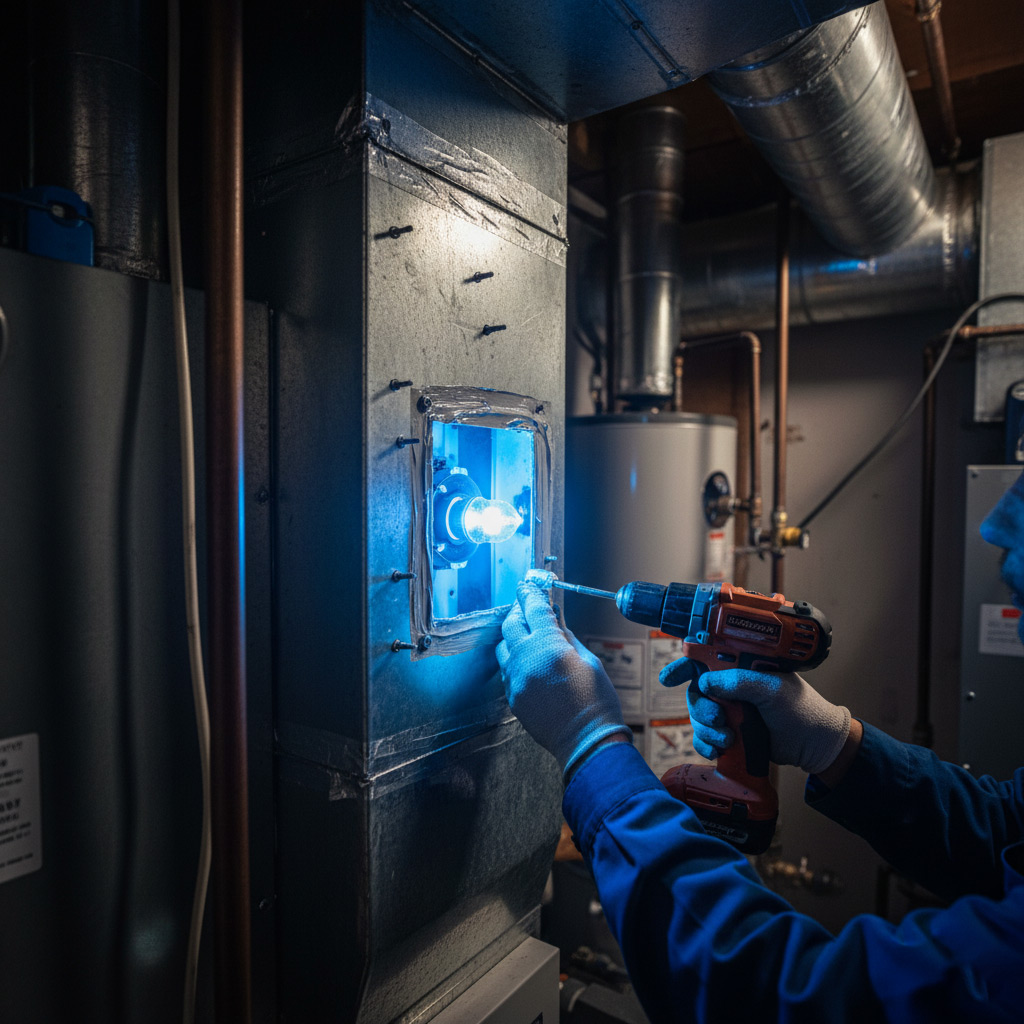
Understanding Fort Wayne’s Climate: How Seasonal Extremes Influence HVAC Design
Fort Wayne’s Weather in a Nutshell
Winter in Fort Wayne can dip below 10°F, while summer often climbs past 90°F with humidity that makes the air feel like a sauna. Those swings aren’t just numbers on a chart—they dictate how hard your furnace and air‑conditioner have to work.
- Average January low: 18°F
- Average July high: 86°F
- Humidity peaks at 70% in midsummer
- Wind gusts regularly hit 30 mph in the colder months
Why Those Numbers Matter
A system sized for a mild spring day will either freeze up in a polar vortex or run flat‑out during a July heatwave. Getting the load right the first time saves you from constant thermostat battles and costly repairs.
- Undersized units = short‑cycling, higher wear
- Oversized units = constant on‑off, wasted energy
- Improper sizing = uneven temperatures, drafts, and hot spots
Local Factors That Can Throw Off a Guess
Fort Wayne’s older homes often have leaky windows, thin walls, and attic spaces that act like a heat sponge. Ignoring those quirks is the fastest way to end up with a system that “works” but never feels right.
- Basement moisture can demand extra dehumidification
- South‑facing walls absorb summer heat, increasing cooling load
- Tree shade in winter reduces heating demand on the sunny side
The Essentials of Accurate Load Calculations: Manual J, Manual D, and Beyond
Why Manual J Is Your First Line of Defense
Before you even think about a furnace or AC, you need to know how much heating or cooling your house actually demands. Manual J does the math: square footage, insulation levels, window orientation, and local climate all get tallied.
Skip this step and you’ll end up with a unit that’s either a hamster on a wheel or a snowball that never melts. The result? Sky‑high bills and a system that quits when you need it most.
- Accurate BTU sizing – no more guesswork.
- Proper equipment capacity – right‑sized for your home.
- Future‑proofing – room for additions or upgrades.
Manual D: The Ductwork Blueprint
Once you have the load numbers, you need a pathway for the air. Manual D translates those numbers into duct sizes, lengths, and pressure drops.
A mis‑sized duct is like a clogged artery – the heart (your furnace) works harder, the body (your home) suffers. Proper design keeps airflow smooth and quiet.
- Right diameter for each run.
- Strategic placement of registers and returns.
- Sealing tips to prevent leaks.
Beyond the Manuals: Real‑World Checks
Even the best calculations can miss hidden leaks or poor insulation. A blower‑door test or infrared scan catches those sneaky losses.
Modern software can run a Manual J in minutes, but a seasoned technician still validates the numbers on site. That extra step is what separates a comfortable home from a money‑sucking nightmare.
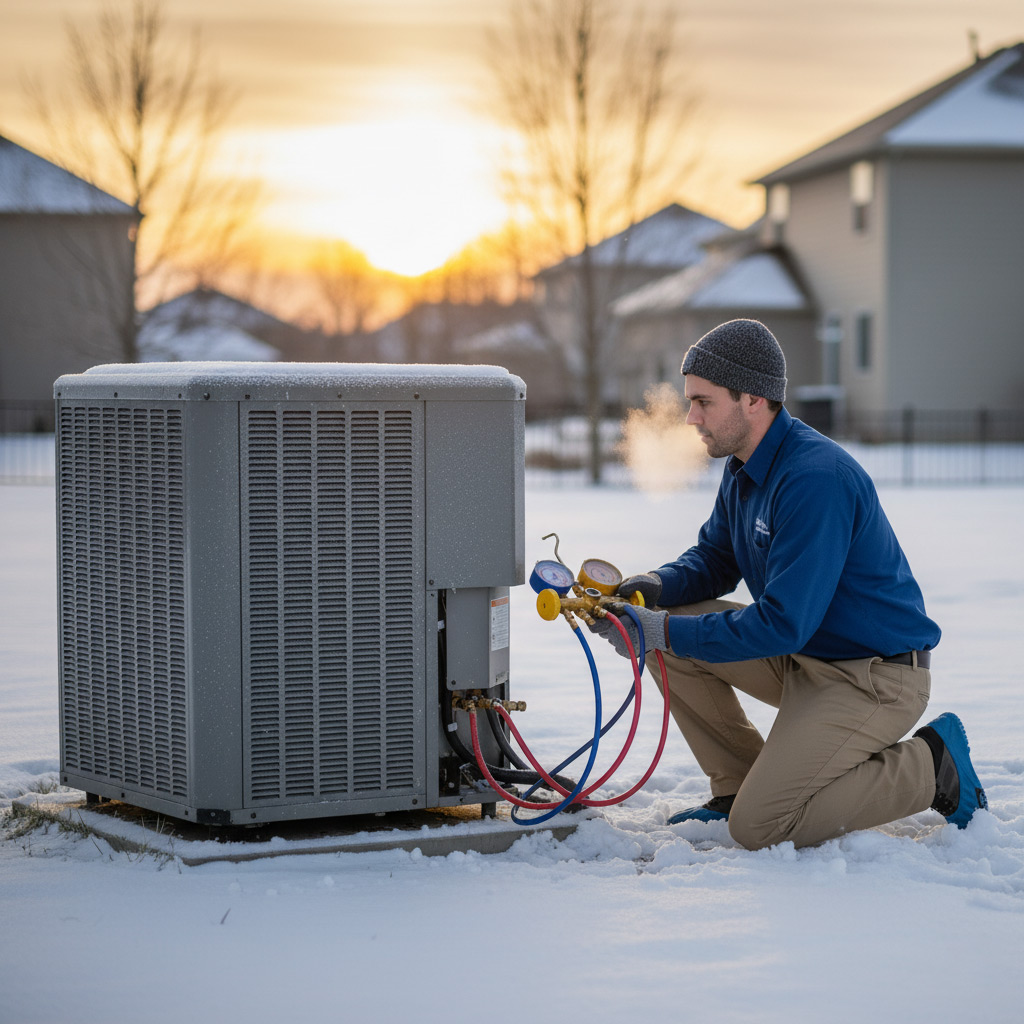
Ductwork Design Fundamentals: Sizing, Sealing, and Airflow Optimization
Why Size Matters
Undersized ducts are the silent killers of comfort; they choke the system, forcing fans to work harder and raising your bill. Oversized runs look nice on paper but create turbulence that rattles walls and makes temperature swing wildly. The sweet spot comes from a proper Manual D calculation that matches the exact CFM each room demands.
Seal the Deal
Even a perfectly sized network can leak more heat than a cracked window if you skip the sealing step. Use foil‑backed mastic or UL‑rated tape—no cheap duct‑seal spray that dries brittle. Every joint, every collar, every transition should be airtight; a single 1‑inch hole can waste the energy of a whole furnace cycle.
Airflow Tweaks That Pay Off
Balancing isn’t a guess‑and‑check game; it’s a science you can master with a few simple tools. Grab a manometer, measure static pressure at the supply and return, then adjust dampers until you hit the manufacturer’s spec. Pro tip: place larger registers in high‑traffic zones and smaller ones in closets to keep the flow even without over‑pressurizing the house.
- Check for sharp bends—each 90° turn adds resistance.
- Keep runs as straight as possible; the shorter, the better.
- Insulate ducts in unconditioned spaces to stop heat loss.
Selecting the Right Equipment: Matching Capacity, Efficiency, and Home Size
Capacity vs. Square Footage
Don’t let a “bigger is better” myth steer you. A furnace that’s 30% oversized will cycle on and off, wasting fuel and stressing components.
Start with the Manual J load number—this tells you the exact BTU demand for each zone. Then pick a unit that sits within ±10% of that figure.
SEER and AFUE: The Real Deal on Efficiency
Seasonal Energy Efficiency Ratio (SEER) and Annual Fuel Utilization Efficiency (AFUE) are more than marketing fluff. Higher numbers mean lower bills, but they also affect upfront cost.
- For Fort Wayne summers, aim for a SEER ≥ 14.
- In winter, an AFUE ≥ 90% keeps the furnace from gulping gas.
- Balance: a mid‑range unit often gives the best ROI when paired with proper sizing.
Right Size, Right Price
Choosing a unit that matches your home’s footprint saves you from two nasty surprises: sky‑high energy bills and premature breakdowns.
Ask your installer for a side‑by‑side comparison of at least three models that meet the load requirement. Look for:
- Warranty length—longer is usually a confidence signal.
- Variable‑speed blower—quiet, consistent airflow.
- Compatibility with smart thermostats—future‑proof your comfort.

Common Design Mistakes in Fort Wayne Homes and How to Avoid Them
Undersized or Oversized Units
Homeowners often pick a furnace or AC that looks “good enough” on paper, only to discover it can’t keep up when the temperature swings. Too small means the system runs nonstop, while too big leads to short cycling and wasted energy.
- Short cycles wear out components faster.
- Inconsistent indoor temps create hot and cold spots.
- Higher utility bills without the comfort you paid for.
Poor Ductwork Sealing and Sizing
Leaky ducts are the silent money‑stealers in many Fort Wayne houses. Air escapes into the attic or crawl space, so the blower works harder for the same comfort level.
- Use mastic or UL‑listed tape, not cheap foil tape.
- Check for gaps at registers, plenum, and joints.
- Right‑size ducts to keep velocity in the sweet spot—neither whistling nor sluggish.
Ignoring Future Load Changes
Renovations, new appliances, or an expanding family can shift the heating and cooling load dramatically. A design that looks perfect today may be a nightmare in five years.
- Ask the contractor to factor in a 10‑15% load buffer.
- Consider modular equipment that can be upgraded.
- Plan duct routes that allow easy additions.
Case Study: A Fort Wayne Family Home’s Turnaround from Inefficiency to Comfort
The Problem
When the Martins moved into their 2,300‑sq‑ft ranch, the furnace was constantly cycling, and the AC never seemed to catch up on sweltering July afternoons.
A quick walk‑through revealed three red flags:
- Undersized duct trunks that choked airflow.
- Old 80,000‑BTU furnace paired with a 2‑ton air conditioner—mismatched capacity.
- No proper Manual J load calculation; the previous installer guessed based on square footage alone.
The Fix
We started with a precise Manual J analysis, which showed the home needed a 95,000‑BTU furnace and a 3‑ton AC to handle the harsh winter lows and scorching summer highs.
Next steps included:
- Re‑sizing the main supply trunk to 12‑inches and adding 6‑in. return ducts where pressure loss was highest.
- Sealing every joint with mastic and foil tape—no more leaks.
- Installing a high‑efficiency two‑stage furnace and a variable‑speed blower to keep humidity in check.
The Payoff
Within a month, the Martins reported a 30% drop in monthly energy bills and a noticeable quiet‑down of the system.
Winter mornings now feel like a gentle sunrise, not a battle with a rattling furnace, and summer evenings stay comfortably cool without the thermostat screaming for relief.
Final Words: Making Informed Decisions for a Reliable, Energy‑Smart HVAC System
Before you sign on the dotted line, treat the contract like a test drive. Ask for the Manual J report, demand a duct‑layout sketch, and verify the installer’s licensing. If the answer feels vague, walk away – a solid design never hides behind jargon.
Quick Decision Checklist
- Copy of the load calculation (Manual J) with climate‑adjusted numbers.
- Detailed duct sizing diagram – no guesswork, just square‑inches.
- Equipment specs that match your home’s square footage and insulation level.
- Warranty terms that cover both parts and labor for at least five years.
- Proof of drain‑cleaning and leak‑detection services in the contract, so you’re covered if anything goes sideways.
When the contractor can walk you through each bullet point without sweating, you’ve found a partner who respects your money and your comfort. Remember, a well‑designed system pays for itself in lower bills and fewer emergency calls.
People Also Ask
How does Fort Wayne’s climate affect HVAC system sizing?
Fort Wayne experiences hot, humid summers and cold, windy winters, which require a system that can handle both high cooling loads and significant heating demands. Accurate load calculations ensure the equipment isn’t oversized for summer or undersized for winter, preserving comfort and efficiency.What is a Manual J calculation and why is it important?
A Manual J calculation determines the precise heating and cooling load of a home based on factors like insulation, windows, and occupancy. It prevents costly over‑ or under‑sized equipment, leading to lower energy bills and longer system lifespan.Why is proper ductwork design critical for HVAC performance?
Correctly sized and sealed ducts deliver the right airflow to each room, eliminating hot or cold spots and reducing strain on the furnace or air conditioner. Poor duct design can waste up to 30% of a system’s capacity through leaks and pressure loss.Can I save money by choosing a lower‑efficiency HVAC unit?
While a lower‑efficiency unit may have a lower upfront cost, it typically results in higher monthly energy expenses and a shorter lifespan. Investing in a high‑efficiency system with the right capacity pays off through reduced utility bills and better comfort.What are common HVAC design mistakes homeowners in Fort Wayne make?
Common errors include skipping Manual J calculations, using standard‑size ducts without adjustments, and selecting equipment based solely on price rather than capacity and efficiency. Avoiding these pitfalls ensures a reliable, energy‑smart system that meets the region’s climate demands.
Fort Wayne HVAC brings over 20 years of heating and cooling expertise to the Fort Wayne community. Their team of certified technicians delivers reliable service and tailored solutions for residential and commercial clients. Committed to energy efficiency and local support, they keep homes comfortable year‑round.
Need HVAC?
We accelerate your results with fast, reliable service across Fort Wayne and nearby ZIPs (46802, 46804, 46805, 46774, 46706). Our team delivers on‑time solutions so you can move forward without delay.
Request a fast quote