If your furnace starts sounding like a dying cat on a frosty Fort Wayne morning, you’re probably ignoring a warning sign that could cost you big time.
Winter in the Hoosier State isn’t a joke—sub‑zero temps hit hard, and a lazy HVAC system can turn a cozy home into an ice box in minutes.
That’s why we’ve boiled down every must‑do, must‑check, and must‑fix into a single, no‑nonsense checklist that even the busiest homeowner can follow.
Grab a pen, because the next few minutes could save you a bundle when the first snow hits and keep your family comfortable all season long.
Seasonal Inspection Schedule: What to Check Before Winter Hits
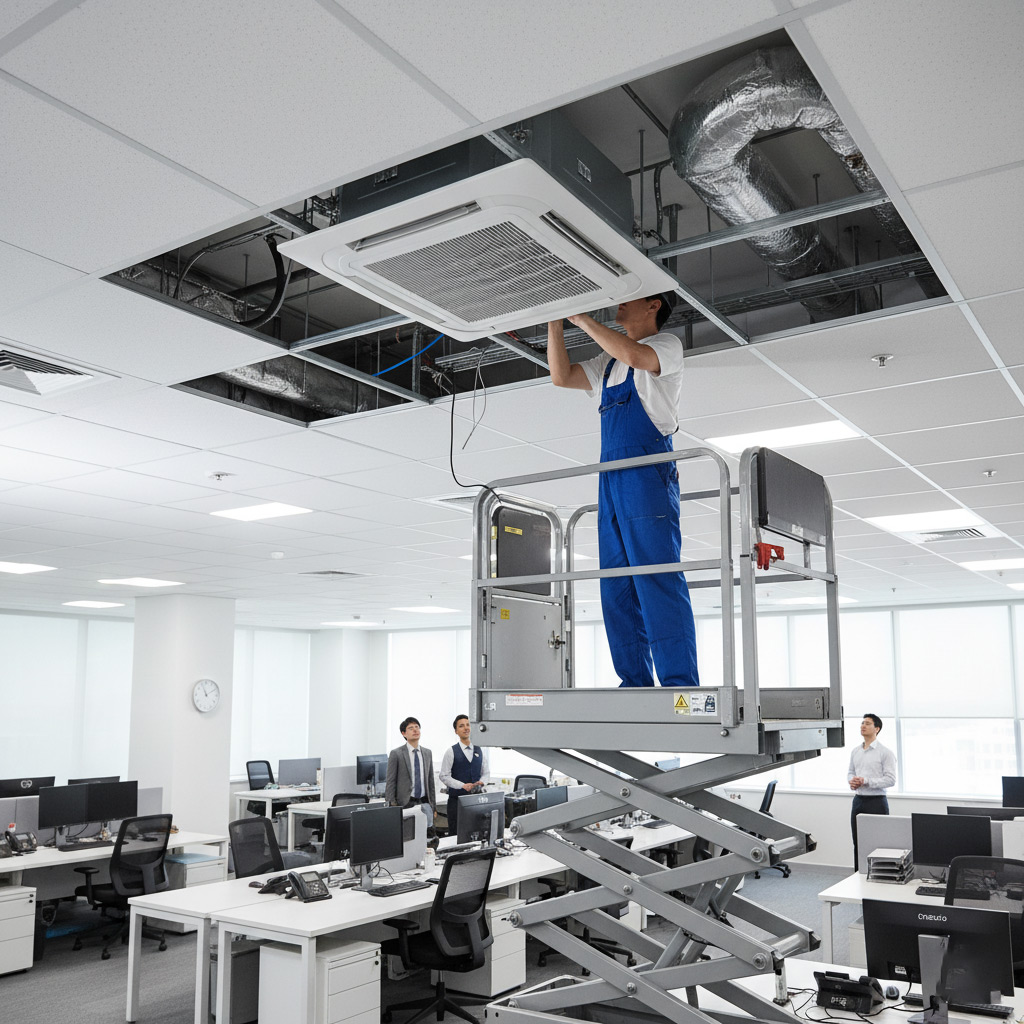
Fort Wayne winters don’t wait for you to finish that DIY project, so a pre‑winter walk‑through of your HVAC system is non‑negotiable. Catch the small stuff now and you’ll dodge the big, costly breakdown when the temperature drops below zero.
Monthly Milestones
- October*: Verify the thermostat reads accurately and replace dead batteries.
- Early November*: Inspect the furnace blower motor for unusual noises or vibrations.
- Mid‑November: Check the outdoor unit for debris, snow buildup, or blocked vents.
Don’t just glance—pull the panels, look at the wiring, and make sure every connection is tight. A loose wire can spark a shutdown that leaves you shivering on a night you’d rather be watching the game.
Critical Items to Verify
- Air filter condition – a clean filter keeps airflow smooth and reduces strain.
- Gas line pressure – low pressure means the furnace can’t fire properly.
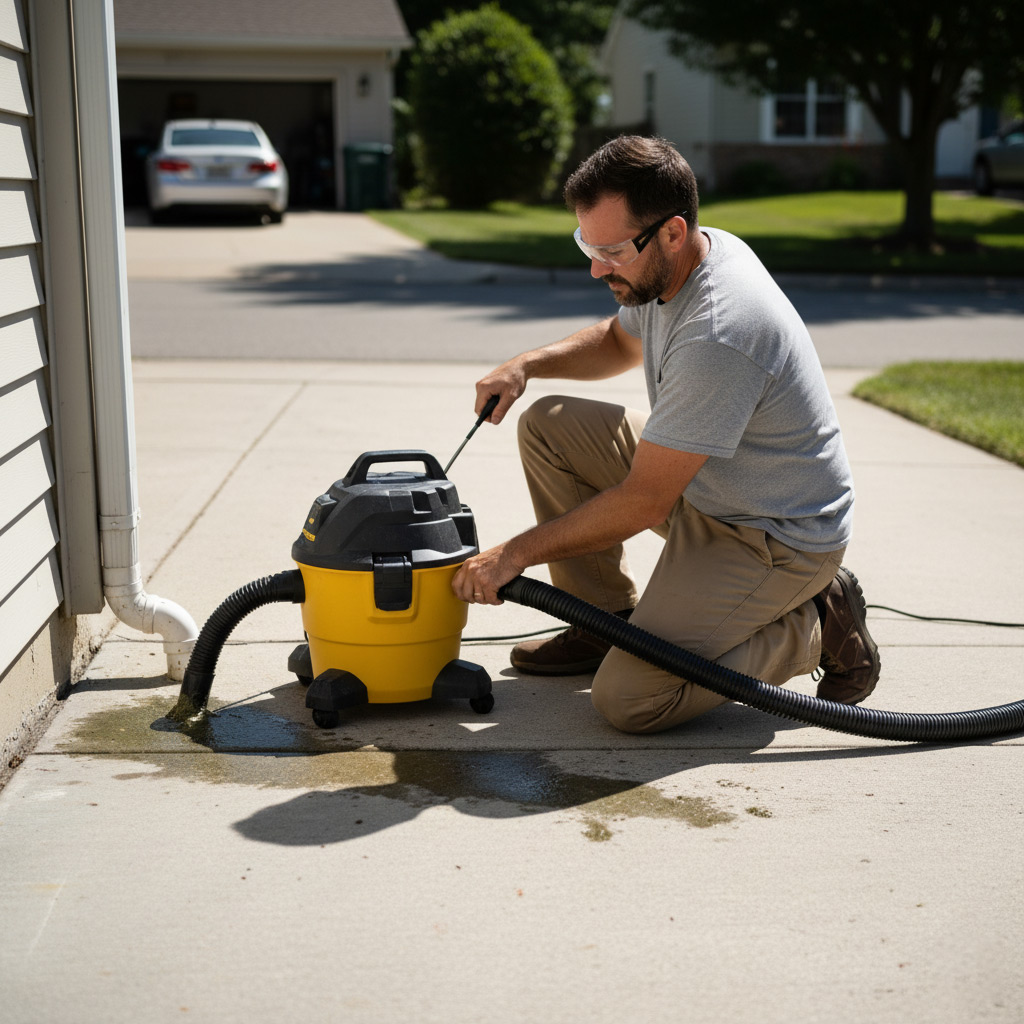
- Condensate drain – clear it to avoid water damage and mold growth.
Mark these checks on your calendar, set a reminder on your phone, and treat the list like a bill you have to pay. When the first snowflakes start falling, you’ll thank yourself for the extra peace of mind.
Furnace and Heat Pump Deep Clean: Filters, Coils, and Burners
Before you even think about turning the thermostat up, give the filter a once‑over. A clogged filter chokes airflow, forces the motor to work harder, and can turn a mild chill into a full‑blown freeze‑out.
Filter Swap: The First Line of Defense
- Turn off the unit and remove the old filter.
- Check the frame for tears; replace if needed.
- Slide in a new 20‑30 µm pleated filter – the sweet spot for most Fort Wayne homes.
- Mark the date on the frame; set a reminder for every 30‑90 days depending on usage.
Next up, the evaporator and condenser coils. Over time they collect dust, pollen, and that nasty “Fort Wayne grit” that makes the system gasp for heat.
Coil Care: Keep the Heat Flowing
- Detach the access panel; spray a coil‑safe cleaner on the fins.
- Let it sit 5‑10 minutes – let the chemistry do the work.
- Rinse gently with a garden hose on low pressure; avoid bending the fins.
- Dry with a soft cloth and re‑assemble. A clean coil can boost efficiency by up to 15 %.
Finally, the burners. If they’re dirty or misaligned, you’ll hear a sputter, smell a whiff of gas, and see uneven heat distribution.
Burner Check: Spark the Right Way
- Inspect the burner ports for soot; a light brush will do the trick.
- Verify the spark igniter is clean and properly spaced – about ¼ inch from the flame sensor.
- Turn the gas valve on briefly to confirm a steady, blue flame. Yellow means it’s time to call a pro.
- Run the furnace for a few minutes; listen for a smooth, steady hum.
Ductwork and Airflow Optimization for Efficient Heating
Find the Leaks Before They Freeze
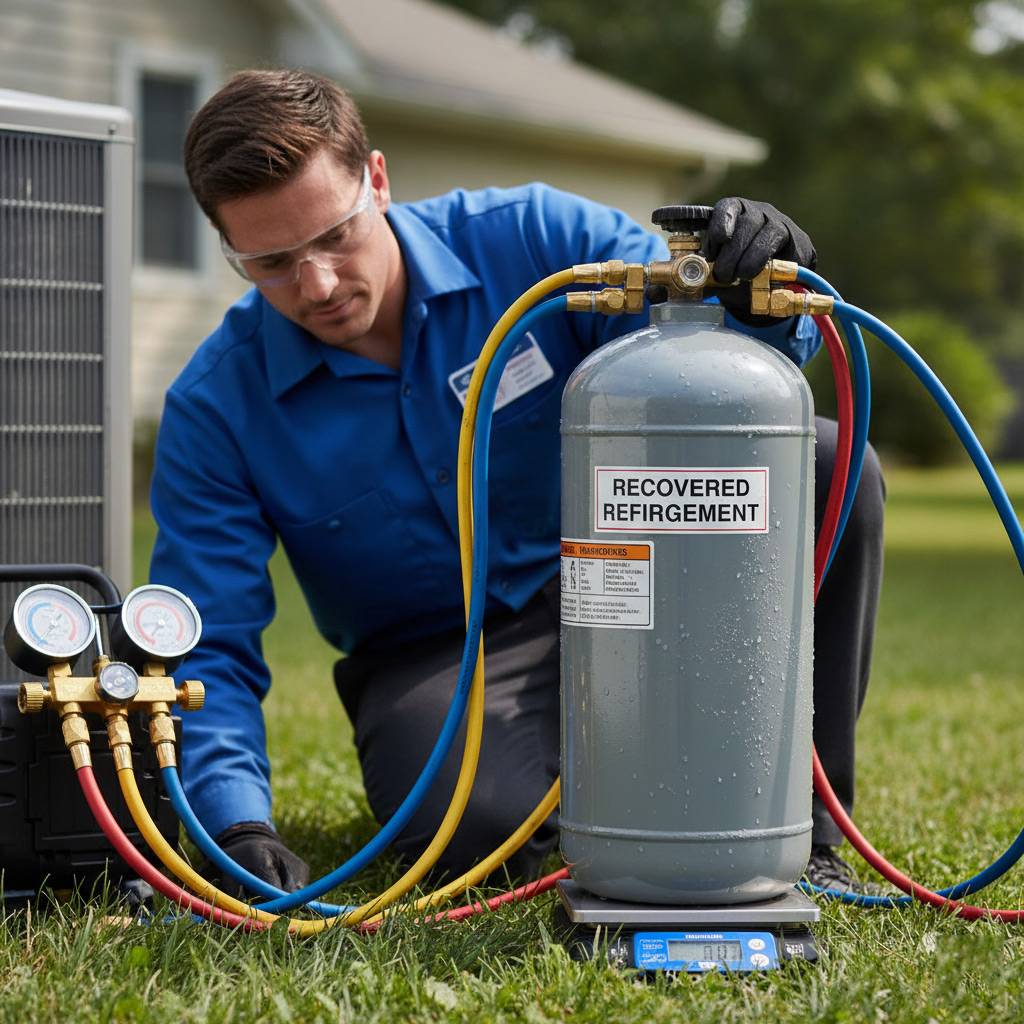
Start by giving your ducts a visual once‑over. Look for obvious gaps, loose connections, or sagging sections that could be letting warm air escape into the attic or crawlspace.
Seal any openings with UL‑rated foil tape or mastic—don’t cheap‑out with duct tape, it won’t hold up to the cold.
- Inspect around the furnace, especially where ducts meet the unit.
- Check exterior walls for uninsulated ducts that run through unheated spaces.
- Use a smoke pencil or incense stick; if the smoke drifts away from the joint, you’ve got a leak.
Balance the Flow
Even airflow is the secret sauce for a cozy home. Close or slightly crack the registers in rooms you rarely use, then open the ones in living areas to push more heat where it’s needed.
Adjust the manual dampers (the little levers inside the duct) until each room feels consistent—no hot spots, no cold drafts.
- Turn off the thermostat, let the system settle, then walk the house with a handheld anemometer.
- Record the CFM (cubic feet per minute) readings; aim for a 10‑15% variance at most.
- Fine‑tune the dampers based on those numbers.
Clean the Path
Dust and debris are the silent killers of airflow. Pull out the vent covers, vacuum the grilles, and brush away any lint that’s built up inside the ducts.
If you notice a musty smell or reduced heat output, it’s time to call a pro for a duct cleaning—they’ll use a rotary brush and high‑volume vacuum to get the job done right.
Thermostat Calibration and Smart Controls Setup
Why Calibration Matters
Even the fanciest furnace can’t save you if the thermostat is lying about the temperature. One‑degree error can add up to a hefty bill by the time the snow piles up. Take a minute to verify the reading against a reliable room thermometer and you’ll catch the problem before it costs you.
Quick Calibration Checklist
Follow these three steps and you’ll have a trustworthy thermostat in under five minutes:
- Turn the system off, let the unit sit for 10 minutes.
- Place a digital thermometer on the same wall, wait for a stable reading.
- Adjust the thermostat’s offset until both numbers match.
Setting Up Smart Controls
Smart thermostats are more than a fancy app; they’re your remote‑control for comfort and savings. First, connect the device to your home Wi‑Fi, then download the companion app.
Next, program a “Winter Warm‑Up” schedule: 68°F at bedtime, 72°F when you’re home, and a lower set‑back when you’re out. Finally, enable geofencing so the system knows when you’re heading home and pre‑heats the house automatically.
Emergency Preparedness: Quick Fixes and When to Call a Pro
Know Your Quick‑Fix Arsenal
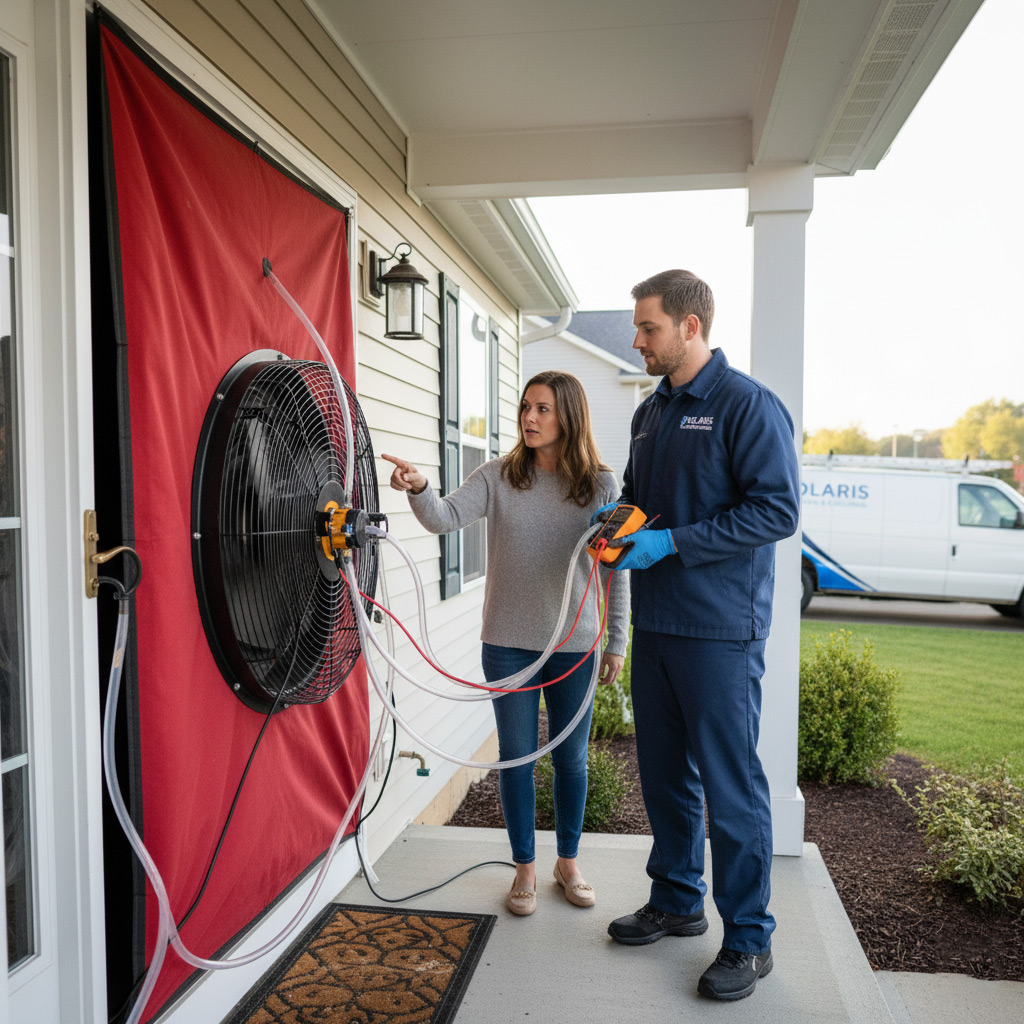
When the furnace sputters on a cold morning, the first thing to do is turn off the power and give the unit a quick visual scan. Look for obvious blockages, loose wires, or a tripped breaker—these are often the culprits that a homeowner can resolve in minutes.
If the thermostat is acting up, try resetting it by removing the batteries for 30 seconds, then reinstalling them. A dirty filter can choke airflow; a simple swap with a fresh one may restore heat in under five minutes.
- Check and replace the air filter.
- Reset the thermostat or replace its batteries.
- Inspect the circuit breaker and reset if tripped.
- Clear debris from the outdoor unit’s intake.
When to Hang Up the Phone and Call a Pro
Some problems aren’t DIY‑friendly. If you hear a loud banging, smell gas, or notice the furnace won’t ignite after a reset, it’s time to stop tinkering and call a certified technician.
Other red flags that demand professional attention include persistent short‑cycling, error codes flashing on the control board, or any sign of water leakage around the unit.
- Strange noises (clanking, squealing, banging).
- Gas odor or carbon monoxide detector alarm.
- Repeated short‑cycling or failure to start.
- Visible water or corrosion on components.
Keep a Lifeline Ready
Store the contact info of a trusted Fort Wayne HVAC service on your fridge. A service contract can shave hours off emergency response time and often includes priority scheduling when the weather turns brutal.
Real‑World Success: Case Study of a Fort Wayne Home Saved from a Heating Failure
The Situation
When the Johnson family noticed their furnace sputtering on a December night, the temperature in their living room dropped to below‑freezing in minutes. They were about to call a repair service when a neighbor recommended our local HVAC crew.
What We Did
Our tech arrived within the hour, ran a quick diagnostic, and discovered a clogged blower motor and a cracked heat‑exchanger seal. The fix was simple but required precision.
- Replace the blower motor filter with a high‑MERV unit.
- Seal the heat‑exchanger crack using a certified epoxy.
- Perform a full system purge and calibrate the thermostat.
The Outcome
Within 30 minutes the furnace roared back to life, delivering steady heat throughout the house. The Johnsons reported a 15% drop in their energy bill over the next month, and they never had to endure another cold snap before the season’s end.
Final Words: Keeping Your Fort Wayne Home Warm All Winter
When the mercury drops, the last thing you want is a surprise shutdown. Stick to the checklist you just built, and treat it like a weekly habit, not a yearly chore. A quick visual scan of the furnace, a breath test on the vents, and you’re already ahead of the freeze.
Make Maintenance a Family Affair
Get the kids involved. Let them feel the airflow, point out any odd smells, and you’ll catch problems before they snowball. It’s cheap, it’s fast, and it builds confidence. A shared responsibility means fewer frantic calls at 2 a.m.
Set Up a Service Calendar
Mark your phone for a semi‑annual visit from a local pro. Professional eyes spot wear on burners, coil corrosion, and hidden leaks that DIY can miss. When you pair that with your own quick checks, the system runs smoother and lasts longer.
- Check filter monthly – replace if it looks dirty.
- Listen for rattles or whines – any new noise deserves a look.
- Test thermostat accuracy – a few degrees off can spike your bill.
Need a deeper dive? Our HVAC Maintenance page walks you through every step, from drain line cleaning to leak detection, so you never get caught off guard.
People Also Ask
How often should I schedule HVAC maintenance in Fort Wayne?
A professional inspection twice a year—once in the spring and once in the fall—keeps your system running efficiently and prevents seasonal breakdowns. If you use your system heavily, consider a mid‑season check.What are the most common signs that my furnace needs a deep clean?
Reduced heat output, unusual noises, and a sudden spike in energy bills often indicate dirty filters, coils, or burners. Inspecting and cleaning these components can restore performance.Can I improve heating efficiency by sealing my ductwork myself?
Yes, sealing gaps with mastic or foil tape and adding insulation to exposed ducts can boost airflow and reduce heat loss. However, a professional leak test ensures all hidden leaks are addressed.Do smart thermostats really save money in cold climates like Fort Wayne?
Smart thermostats learn your schedule, adjust temperatures automatically, and provide remote control, which can lower heating costs by up to 10 %. They also send alerts if the system detects a problem.When should I call an HVAC professional instead of attempting a DIY fix?
If you notice no heat, strange odors, or the furnace won’t start after basic troubleshooting, it’s time to call a licensed technician. Attempting complex repairs without proper training can cause safety hazards and void warranties.
Fort Wayne HVAC brings over 20 years of heating and cooling expertise to the Fort Wayne community. Their certified technicians specialize in residential and commercial systems, delivering reliable service tailored to local climate demands. Committed to energy efficiency and responsive support, they keep homes comfortable year-round.
Need HVAC?
We accelerate your results with fast, reliable service across Fort Wayne and nearby ZIPs (46802, 46804, 46805, 46774, 46706). Our team delivers on‑time solutions so you can move forward without delay.
Request a fast quote