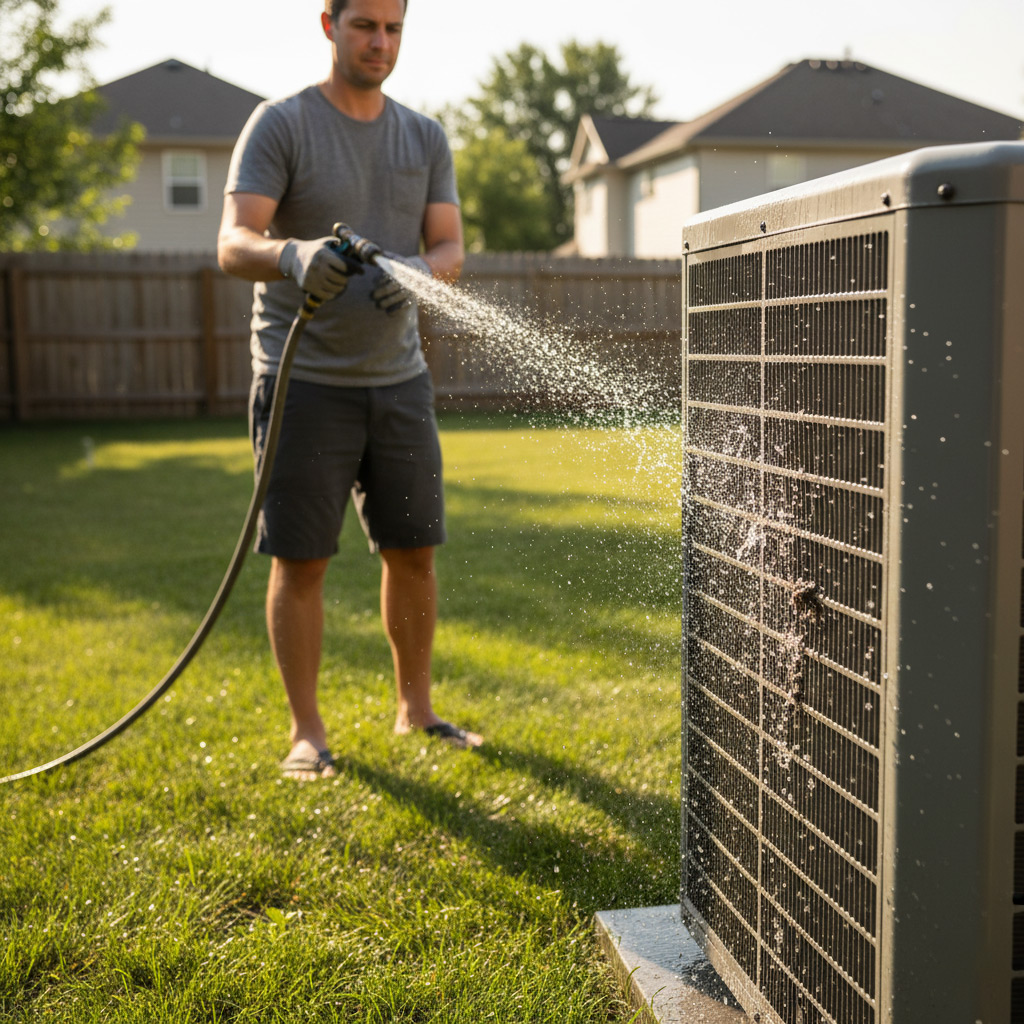
When the furnace sputters on a January night, most Fort Wayne families know exactly who they call. A broken heater isn’t just uncomfortable—it can freeze your budget in its tracks.
Local installers have spent years crawling through basements, tightening bolts, and fine‑tuning systems so they run like a well‑oiled machine. They know the quirks of the Midwest climate and the wiring quirks of homes built before the 1990s.
What sets the true pros apart is a stack of certifications, a 24/7 emergency line, and a guarantee that says they’ll be back if anything slips. Those guarantees aren’t just paperwork; they’re a promise that the job will be done right the first time.
So, what separates the pros from the pretenders? Keep reading to discover the three reasons Fort Wayne homeowners never settle for anything less.
Understanding Fort Wayne’s Unique HVAC Requirements
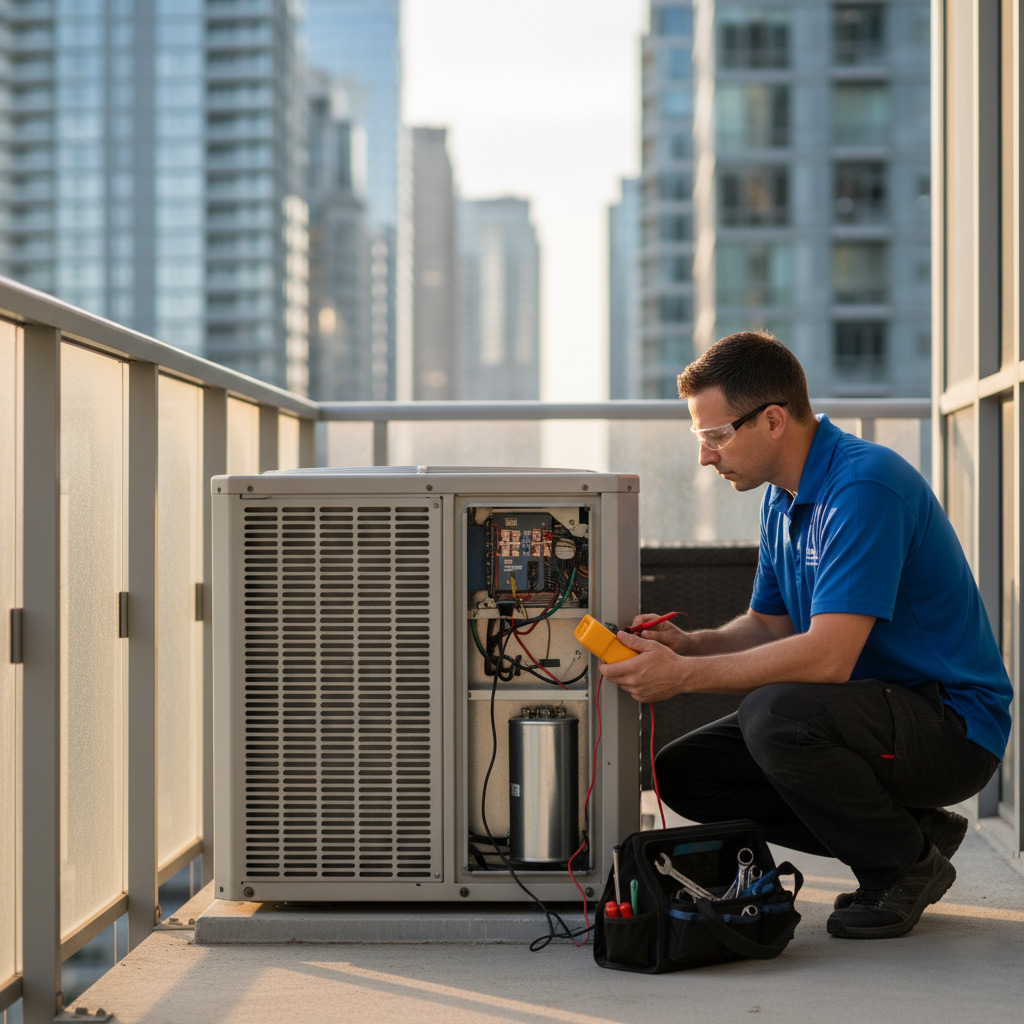
Fort Wayne sits in a climate that swings from sub‑zero January nights to sweltering July afternoons. That means a furnace that can crank out heat fast and an air‑conditioner that can chase humidity out of the house. One‑size‑fits‑all equipment simply won’t cut it here.
Seasonal Extremes Demand Precision
Local homes often have basements that double as utility rooms, and many were built before modern insulation standards. Those factors force installers to:
- Size the system correctly for both heating and cooling loads.
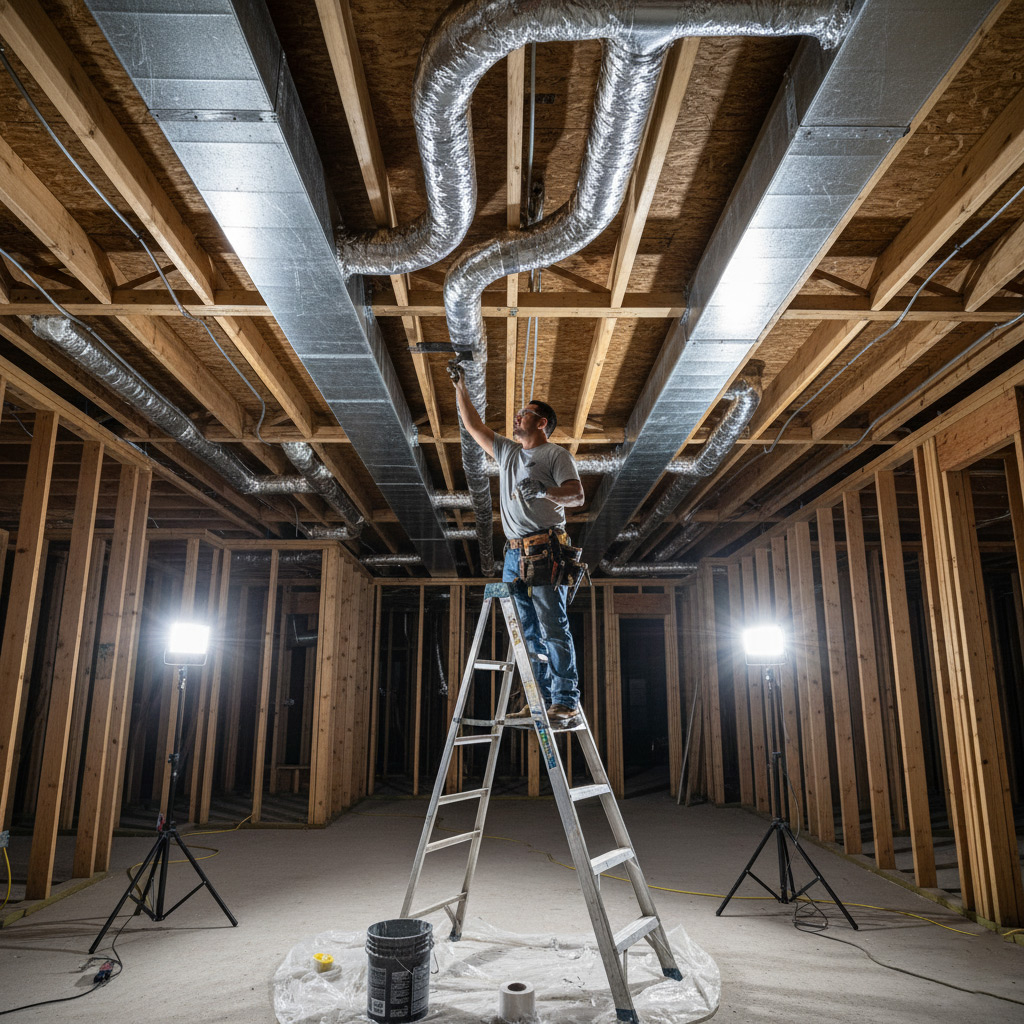
- Check ductwork for leaks that waste energy.
- Upgrade electrical panels that can’t handle today’s high‑efficiency units.
When a contractor knows the local quirks, the system runs smoother, the bills stay lower, and the family stays comfortable year‑round. That’s the edge Fort Wayne homeowners expect.
Certifications, Training, and Industry Standards Homeowners Should Demand
When a Fort Wayne homeowner signs a contract, the paperwork should read like a badge of honor, not a wall of legalese. Certified technicians bring a proven track record that translates into fewer callbacks and a system that actually lasts through the bitter winters.
Key Certifications to Look For
- NATE (North American Technician Excellence) – the gold standard for HVAC know‑how.
- EPA 503 – guarantees the installer handles refrigerants safely and legally.
- HVAC Excellence – shows a commitment to both residential and commercial expertise.
- Manufacturer‑specific training (e.g., Carrier, Trane, Lennox) – ensures the tech can fine‑tune your exact model.
These credentials aren’t just vanity. They prove the installer has passed rigorous exams, stays current on code changes, and can troubleshoot problems that generic “hand‑yman” crews miss.
Ongoing Training = Future‑Proof Service
Technology moves fast; today’s high‑efficiency furnace is tomorrow’s outdated relic. Look for companies that schedule regular continuing education for their crews. When a tech returns from a workshop on variable‑speed blowers, you’ll feel the difference in quieter operation and lower bills.
Ask the installer to show you a training log or a recent certification renewal. A transparent schedule tells you they’re not cutting corners and that your home will stay comfortable long after the first install.
24/7 Emergency Service: Why Rapid Response Matters in Midwestern Winters
Cold Snap Can’t Wait
When temperatures plunge below freezing, a dead furnace turns a home into an ice box. Every hour without heat costs you comfort and cash. That’s why Fort Wayne families demand a service crew that answers the phone at 2 a.m. and shows up before the frostbite sets in.
What Real Pros Do When the Clock Ticks
Top‑tier installers have a playbook that looks like this:
- Rapid dispatch – a technician is on the road within 30 minutes of the call.
- Fully stocked trucks – no waiting for parts, no extra trips.
- Same‑day diagnostics – they pinpoint the problem before the first coffee break.
These steps cut downtime dramatically. Homeowners stay warm, and the bill stays predictable.
Why Speed Saves Money
Every extra minute a furnace runs cold forces the electric heater to kick in, spiking utility costs. A swift repair stops that cascade. Quick fixes also prevent secondary damage like frozen pipes or cracked heat exchangers, which can turn a $200 repair into a $2,000 nightmare.
Energy Efficiency & Climate‑Specific Solutions for Fort Wayne Homes
Match the system to the weather
Fort Wayne winters are brutal; summers are short but humid. A one‑size‑fits‑all unit will bleed money every season. Choosing a system with a high SEER rating means the compressor works smarter, not harder, when the mercury climbs.
When the temperature drops below zero, a variable‑speed furnace keeps the blower humming at the perfect pace. No more “on‑off‑on” cycles that waste fuel and wear out parts.
Tools that pay for themselves
Smart homeowners are adding layers that cut bills without sacrificing comfort. Consider these upgrades:
- Two‑stage heat pumps – deliver heat when it’s 30°F, switch to full power only when needed.
- Zoned ductwork – lets you heat the basement while the upstairs stays cool.
- Programmable thermostats – learn your schedule, then turn off the furnace before you even get home.
Money‑back incentives
Indiana offers rebates for ENERGY STAR‑rated equipment. Pair a qualifying unit with a tax credit, and the upfront cost drops dramatically.
Most reputable installers will handle the paperwork for you. That’s a no‑surprise, zero‑hassle way to boost ROI and keep the house cozy all year.
Transparent Pricing, Guarantees, and Warranty Policies Explained
What’s in the Quote?
Fort Wayne installers hand you a line‑by‑line estimate so you can see exactly where every dollar goes. No “miscellaneous” line that disappears after the job.
Typical breakdown includes:
- Equipment cost – furnace, AC, heat pump, or boiler.
- Labor – hours, travel, and any required permits.
- Materials – ductwork, refrigerant, insulation, and safety gear.
When you understand each piece, you can ask smart questions and avoid surprise invoices.
The Guarantee Promise
Good pros back their work with a written guarantee that kicks in if something slips within a set period, usually 90 days. It’s not a vague “we’ll fix it” – it’s a contract that says “we’ll be there, on the clock, at no extra charge.”
Key points to watch for:
- Response time – most local firms promise a same‑day call‑out for emergencies.
- Scope – does it cover parts, labor, or both?
- Exclusions – know what’s not covered before you sign.
Warranty That Sticks
Manufacturers and installers often offer overlapping warranties. A solid installer will explain how they work together so you’re never left holding a half‑filled promise.
Look for these hallmarks:
- Length – 5‑year parts, 10‑year labor is common for high‑efficiency units.
- Transferability – a warranty that follows the home when you sell it adds resale value.
- Service coverage – does the warranty include annual tune‑ups?
When the paperwork is clear, you can sleep easy knowing your investment is protected.
Case Study: Restoring Comfort in a Historic Fort Wayne Residence
Challenge
When the owners of a 1908 Craftsman home called, their furnace was sputtering and the house was losing heat faster than a leaky faucet loses water. The original system was a relic—no longer matching the insulation upgrades the family had invested in.
Compounding the issue, the home’s narrow ductwork and vintage wiring made a straight‑swap impossible. The family needed a solution that respected the historic character while delivering modern performance.
Solution
Our crew performed a full load‑calculation, then designed a custom, two‑stage furnace paired with a variable‑speed blower. The plan included:
- Retrofitting the existing duct network with flexible, insulated sections to eliminate cold spots.
- Installing a smart thermostat that learns the family’s schedule and adjusts output on the fly.
- Replacing outdated wiring with UL‑listed components, all while preserving the original trim and plaster.
We scheduled the install over a single weekend, minimizing disruption. Every connection was pressure‑tested, and the system was balanced before the first night of winter.
Result
Within 24 hours the home’s temperature stabilized at a comfortable 70°F, and the energy bill dropped by roughly 18 %. The owners praised the quiet operation—no more rattling pipes or clanking metal.
Because we backed the work with a 5‑year parts warranty and a 2‑year labor guarantee, the family feels secure knowing any hiccup will be handled promptly, day or night.
Final Words
Fort Wayne isn’t forgiving when the heat quits, and the best installers know that. Experience meets accountability the moment a technician walks through your door, and that’s the edge you pay for. Don’t settle for a quick fix; demand a partner who backs every bolt with a guarantee.
What to Do Next
- Ask for proof of EPA‑approved certifications before any work begins.
- Verify that the company offers a 24/7 emergency line—your furnace won’t wait for business hours.
- Request a written estimate that breaks down labor, parts, and any potential rebates.
- Check the warranty language: does it cover parts, labor, and future tune‑ups?
When you’re ready to lock in a system that can weather the next Midwest winter, click over to our HVAC Installation page and schedule a free, no‑obligation assessment. The right crew will show up, diagnose, and leave you with a plan that actually makes sense for your home and your wallet.
People Also Ask
What makes HVAC installation experts in Fort Wayne different from generic contractors?
Fort Wayne specialists understand the local climate, building codes, and common home layouts, allowing them to size and place equipment correctly. They also have relationships with regional suppliers, ensuring faster access to parts and service.
How do certifications and training impact the quality of HVAC installations in Fort Wayne?
Certified technicians—such as NATE‑qualified or EPA‑registered—follow industry‑approved practices that reduce errors and improve system efficiency. Ongoing training keeps them up‑to‑date on the latest technology and energy‑saving methods.
Why is 24/7 emergency service crucial for Fort Wayne homeowners during winter?
Midwestern winters can cause sudden heating failures that leave families without warmth and increase the risk of frozen pipes. Rapid, round‑the‑clock response restores comfort quickly and prevents costly damage.
How do energy‑efficient HVAC solutions benefit Fort Wayne homes?
High‑efficiency units lower utility bills and reduce strain on the electrical grid during peak heating months. They also qualify for local rebates and tax incentives, delivering long‑term savings.
What should homeowners look for in pricing, guarantees, and warranties from Fort Wayne HVAC installers?
Transparent, itemized quotes prevent hidden fees, while a solid guarantee shows confidence in workmanship. Look for warranties that cover both parts and labor for at least five years to protect your investment.

Fort Wayne HVAC brings over two decades of HVAC expertise to homes and businesses throughout Fort Wayne, IN. Their team of certified technicians delivers reliable heating, cooling, and indoor air quality solutions tailored to the local climate. Committed to responsive service, they prioritize the comfort and safety of the community.
Need HVAC?
We accelerate your results with fast, reliable service across Fort Wayne and nearby ZIPs (46802, 46804, 46805, 46774, 46706). Our team delivers on‑time solutions so you can move forward without delay.
Request a fast quote